Painting in Malta's Humid, Salty Climate: Preventing Damp, Mould and Peeling
Why paint fails so quickly in Malta and how the right preparation, products and timing prevent damp, mould and peeling.
Painting in Malta can be frustrating. You redecorate a room, and within a season or two there are black mould spots in the corners, bubbles near the skirting, or flakes of paint coming off a balcony wall. The islands' climate (humid summers, damp winters and salty sea air) is tough on paint, but most failures can be avoided with the right approach.
This guide explains why paint fails in Malta and what to do differently, both inside and outside.
Why paint struggles in Malta
Humidity
Humidity in Malta is high for much of the year. Warm, moist air condenses on cooler surfaces such as external walls, ceilings under uninsulated roofs, and corners behind furniture. That persistent moisture feeds mould and weakens the bond between paint and plaster.
Salt in the air
Near the coast, which in Malta covers a large part of the islands, salt is carried in the air and settles on façades, railings and window frames. Salt attracts moisture and, when it crystallises in or under the paint film, it can push paint off the surface.
Moisture in the walls
Limestone and concrete blockwork both absorb water. Rain during the wet season (roughly October to February), leaking roofs, failed balcony waterproofing or rising damp at ground level all load walls with moisture. When that moisture tries to escape, a non-breathable paint traps it, leading to blistering and peeling.
Strong sun
Summer UV breaks down paint binders and fades colours, especially on south- and west-facing walls. Heat also makes surfaces expand and contract daily, stressing the paint film.
Recognising the problem
Before repainting, identify what is actually going on:
- Black or green spots in corners, on ceilings or behind wardrobes: mould, usually from condensation and poor ventilation
- Bubbles or blisters: moisture behind the paint, or paint applied over a damp or dirty surface
- Flaking or peeling: poor adhesion, often from inadequate preparation, damp or incompatible paint layers
- White powdery deposits: salts migrating out of the wall
- Chalky surface on exterior walls: UV breakdown of the paint
- Brown stains on ceilings: almost always a water leak, often from the roof
Step one: fix the cause
Paint is a finish, not a cure. Painting over damp only hides the problem for a while. Common causes to address first include:
- Roof leaks. Top-floor ceiling stains usually point here. A liquid membrane roof treatment may be needed before any internal work.
- Balcony and terrace leaks into rooms below
- Rising damp in ground-floor and basement walls
- Failed external render letting rain into the wall
- Poor ventilation in bathrooms, kitchens and bedrooms
Step two: prepare properly
Preparation is where a lasting paint job is won or lost:
- Remove loose and flaking paint back to a sound surface.
- Treat mould with a suitable fungicidal wash and let it dry fully. Simply painting over mould means it will grow back through.
- Brush off salts and allow the wall to dry. Repeat if deposits return.
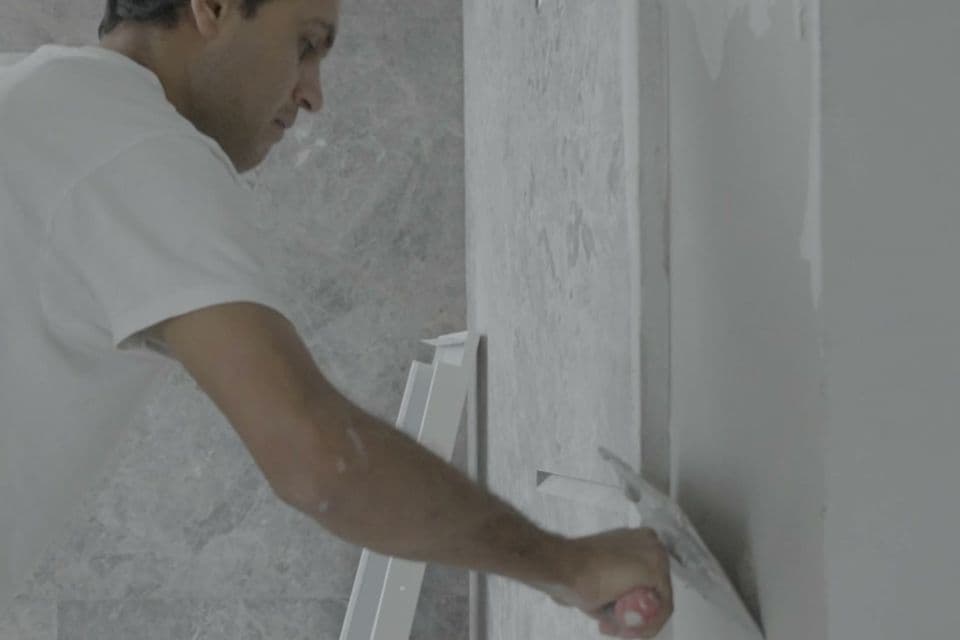
- Repair plaster. Cut out hollow or crumbling areas and replaster with a material suited to the wall. See our painting and plastering service.
- Clean exterior surfaces of salt, dust and dirt, especially on coastal properties.
- Prime with a primer suited to the surface, which helps adhesion and evens out absorbency.
Step three: choose the right paint
Inside
- Breathable emulsions for walls, particularly on older limestone buildings
- Anti-mould or bathroom paints in kitchens, bathrooms and rooms prone to condensation
- Washable finishes in hallways and children's rooms
- Avoid sealing damp-prone walls with heavy, non-breathable coatings
Outside
- Exterior masonry paints formulated for UV and weather resistance
- Breathable systems on limestone, so moisture can escape
- Elastomeric or flexible coatings can help bridge fine cracks on rendered walls, but should be used with care on walls that need to breathe
- Anti-corrosion primers and suitable topcoats on metal railings and gates exposed to salt air
Lighter colours on exterior walls generally reflect more heat and tend to fade less noticeably than dark shades.
Step four: timing matters
- Avoid painting exteriors in the heat of the day in mid-summer; paint can dry too fast and fail to bond properly.
- Avoid painting before rain or on damp surfaces, particularly from October to February.
- Spring and early autumn are usually the most comfortable windows for external work.
- New plaster needs to dry out before painting. Rushing this is a common cause of blistering.
Keeping mould away after painting
- Ventilate bathrooms and kitchens, ideally with extractor fans
- Use a dehumidifier in rooms prone to damp during winter
- Leave a small gap between wardrobes and external walls
- Open windows regularly, even briefly, in cooler months
- Consider roof or wall insulation if ceilings and outside walls are persistently cold
What affects the cost?
Painting costs can vary widely depending on area, ceiling heights, the amount of preparation and repair needed, the paint system, and access (external work may need scaffolding). Preparation often takes longer than the painting itself. The real figure depends on the site, so ask for a free quote.
Frequently asked questions
Why does mould keep coming back after I paint?
Usually because the underlying cause, such as condensation, poor ventilation or a leak, has not been dealt with, or the mould was not properly treated before painting.
How often should exterior walls be repainted in Malta?
It depends on exposure, paint quality and preparation. Sea-facing and sun-exposed façades usually need attention sooner than sheltered ones. Regular inspection is the best guide.
Can I paint over salt deposits?
No. Salts must be brushed off and the wall allowed to dry, and the moisture source addressed, or the new paint will fail.
Is anti-mould paint enough on its own?
It helps, but it is not a substitute for good ventilation and fixing damp.
Get a paint job that lasts
Shaw Contractors handles painting and plastering for homes and commercial properties across Malta, including the preparation and damp-related repairs that make a finish last. Call +356 9949 8507 or contact us to arrange a free site visit and quote.