
Screed & Flooring
Self Levelling Screed Malta: When Should You Use It?
Learn when to use self levelling screed in Malta. Its benefits, applications, and why it’s ideal for smooth, high-quality floor finishes.
Services
We specialise in self-leveling screed solutions, providing a flawless, even surface for all types of flooring installations.
At Shaw Contractors, we specialize in self-leveling screed solutions, providing a flawless, even surface for all types of flooring installations. Whether you're preparing for tiles, vinyl, hardwood, or industrial coatings, our high-performance self-leveling screeds ensure durability, strength, and a perfectly smooth finish.
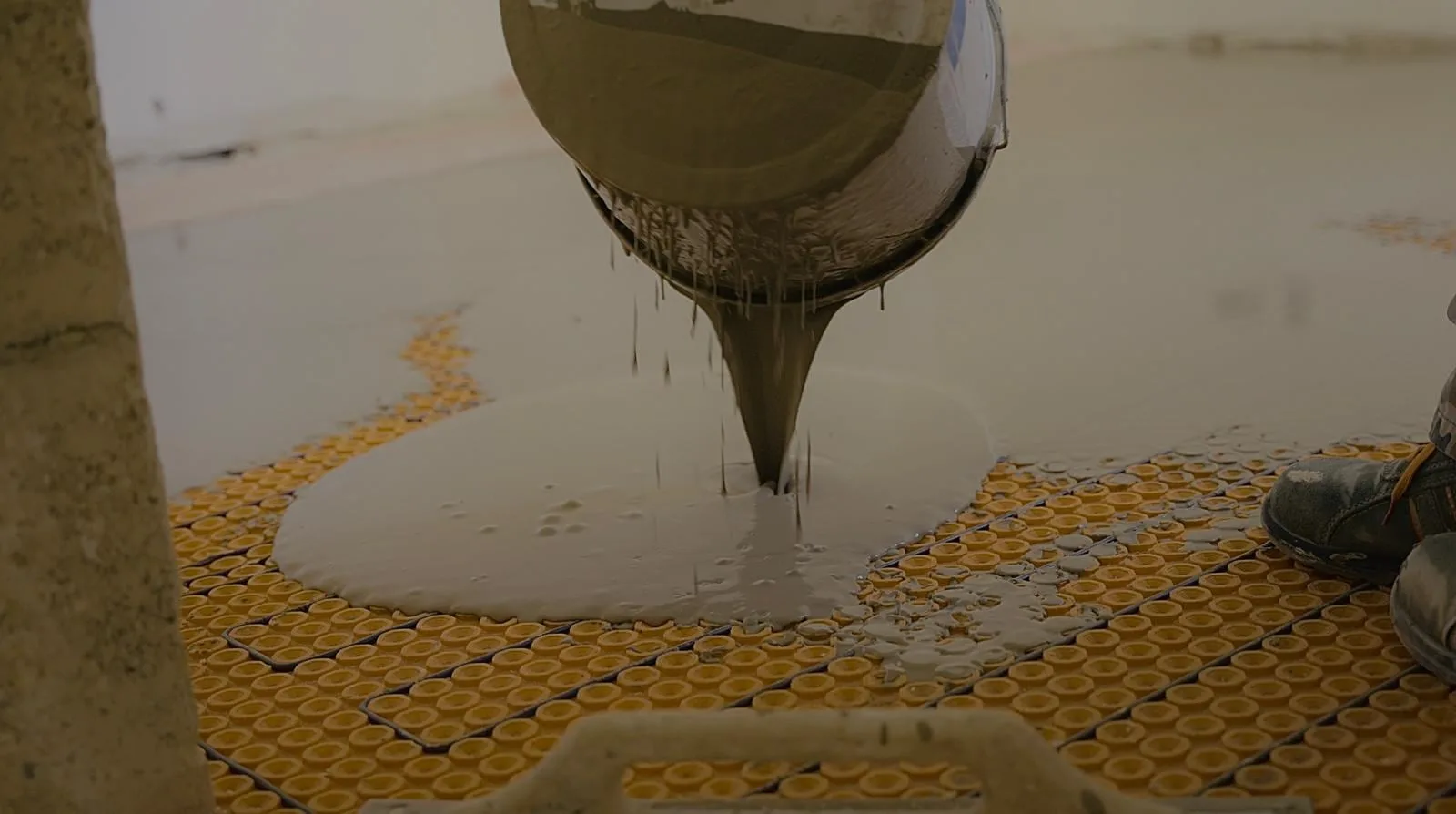
Self-leveling screed is a high-flow, cementitious compound designed to create a smooth, even surface over concrete subfloors. Unlike traditional screeds, self-leveling screed spreads effortlessly, filling dips and imperfections without the need for extensive manual leveling. This makes it an ideal solution for both residential and commercial flooring applications.
Modern floor finishes are less forgiving than they used to be. Large-format tiles, thin vinyl and laminate planks, engineered wood and seamless finishes such as microcement and resin all reveal what lies beneath them. Even small undulations can lead to visible lippage, hollow spots, gaps or a finish that wears unevenly. A self-levelled base removes those variations, so the floor you chose looks and performs the way it should.
Self-levelling screed is excellent at correcting minor dips, smoothing uneven or patched surfaces and creating a flat base for thin floor finishes. It is not a fix for everything. It will not cure a floor that is damp or moving, it is not a substitute for structural repairs, and because it finds its own level, it cannot create the falls a terrace or wet room needs for drainage. Where the difference in levels is large, a traditional screed is usually laid first and finished with a self-levelling layer. Being clear about this at the start means the right product goes in the right place, and the floor finish you have chosen is laid on a base that will not let it down.
Self-levelling is one step in a bigger flooring sequence, and we handle that sequence end to end. We lay traditional concrete screed where a thicker base or falls are needed, and we apply micro cement finishes that depend on a perfectly flat substrate. Keeping these stages with one contractor makes it easier to control levels, timing and quality.
We work on residential and commercial projects across Malta, from shell to furnished. Clients have praised our attention to detail, our commitment to meeting deadlines and our habit of leaving worksites clean and tidy.
Have an uneven floor to fix? Contact us and we will take a look.
Exceptionally flat floors
Self-levelling compounds flow out under their own weight, filling dips and hollows to leave a smooth, even surface that is hard to achieve by hand.
Ideal for thin finishes
Vinyl, LVT, laminate, engineered wood, resin and microcement show every imperfection beneath them, so a self-levelled base makes a visible difference.
Quick to install
Because the material levels itself, large areas can be covered efficiently with minimal manual work, which helps keep the programme moving.
Works over existing floors
Uneven concrete or old screed can often be corrected with a thin layer rather than broken out, saving time, mess and cost on renovations.
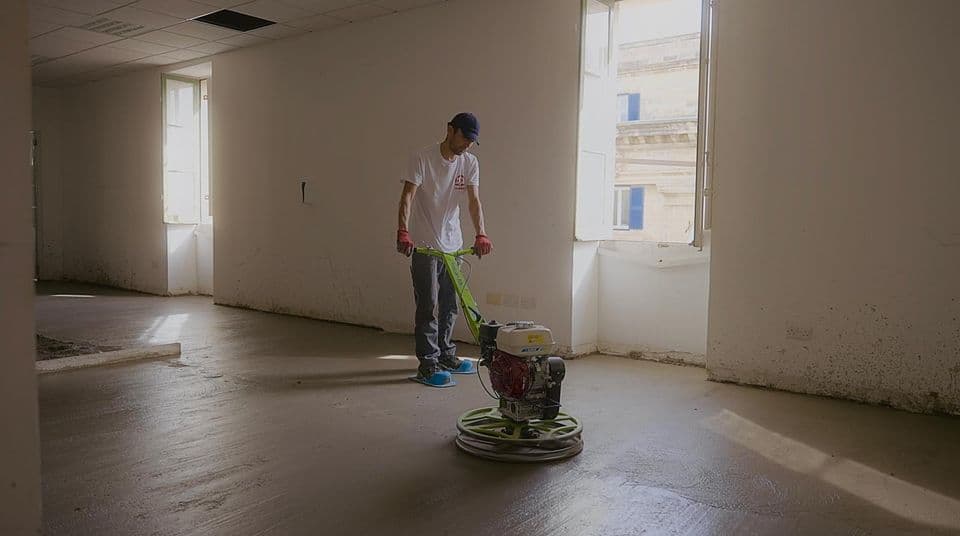
Self-levelling is the better choice when the final floor needs to be very flat, for example under vinyl, laminate, engineered wood, resin or microcement, or when an existing floor needs correcting with a thin layer. Traditional screed suits thicker build-ups, covering services and laying terraces to falls. We often use traditional screed first and finish with self-levelling.
In some cases, yes. The existing tiles must be firmly bonded, clean and free of grease, and the surface must be primed with a suitable product so the compound adheres properly. Loose or hollow tiles need to be removed first. We inspect the floor on site before recommending whether to overlay or strip back.
Most self-levelling compounds are designed for internal use and for flat floors. Terraces, balconies and roofs in Malta need falls to shed rainwater, plus waterproofing beneath the finish, so they are usually better suited to traditional screed and a liquid membrane. We will advise on the right build-up for each area.
It depends on the product, the thickness applied and the conditions on site, since humidity and temperature both affect drying. Some areas can be walked on relatively quickly, but floor coverings should only go down once the surface is dry enough for that specific finish. We check the floor before handing over to the flooring trade.
Learn when to use self levelling screed in Malta. Its benefits, applications, and why it’s ideal for smooth, high-quality floor finishes.
Self-levelling screed vs traditional screed in Malta? The pros, cons, and best uses of each screed type to choose the right one!
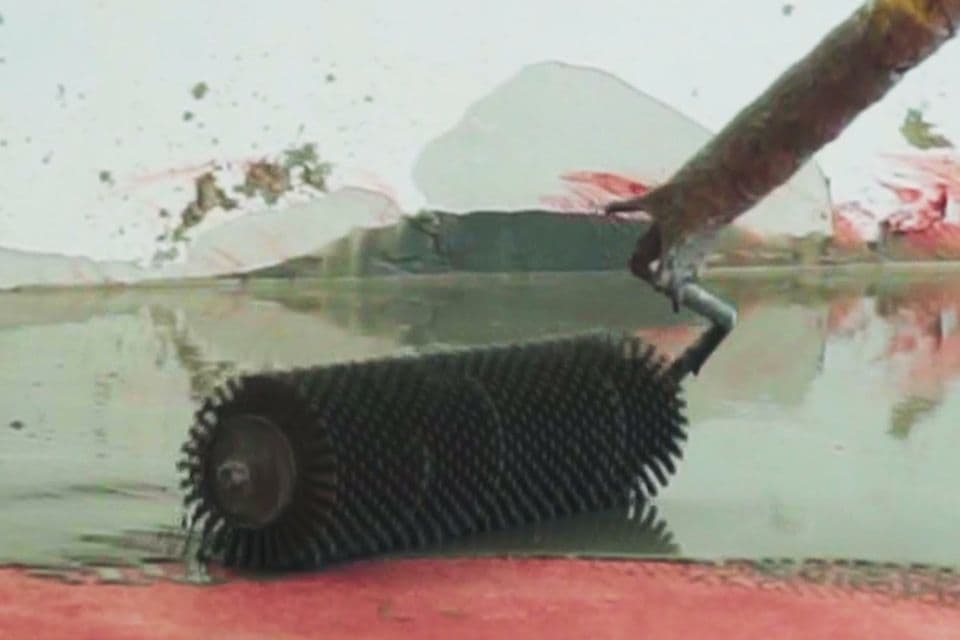
Self-leveling floors play a crucial role in ensuring a flawless and even surface that is well-prepared for any type of floor covering. At ShawContractors, we specialize in providing top-notch self-lev
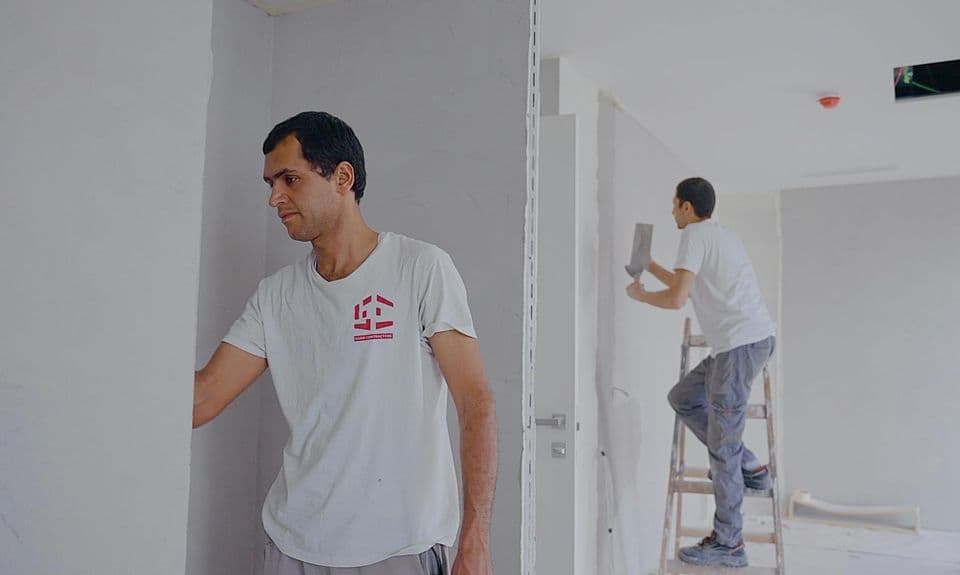
We specialise in high-quality gypsum partitions and soffits, offering tailored solutions for residential, commercial, and industrial spaces.
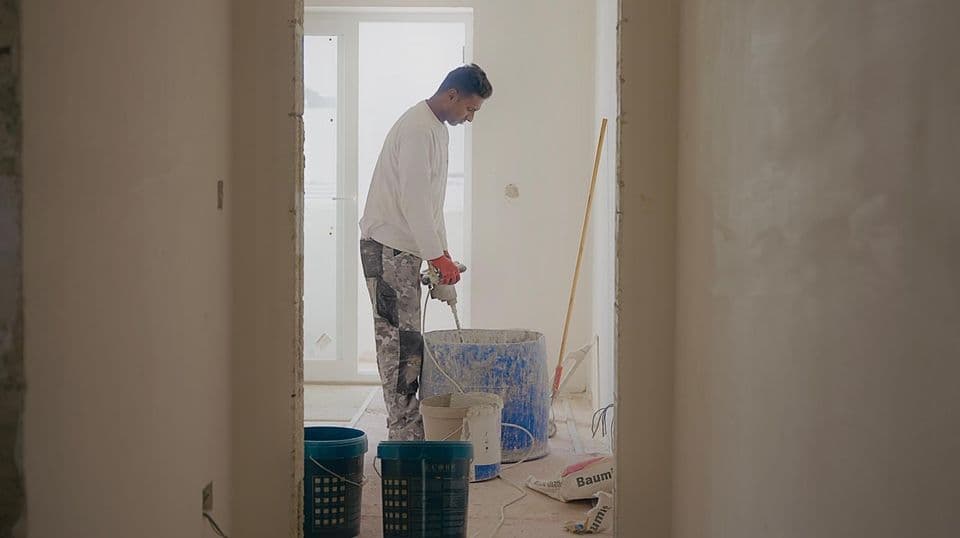
A smooth, even surface is essential for a flawless paint job. Our professional plastering services create the perfect foundation, ensuring your walls and ceilings are free from imperfections.
We provide high-quality concrete screeding services, ensuring smooth, level, and durable surfaces for both residential and commercial projects.