Gypsum Partitions vs Block Walls in Malta: Which Is Right for Your Renovation?
Gypsum or block? We compare speed, weight, sound, moisture and cost so you can choose the right internal wall for your Malta renovation.
If you are renovating an apartment, maisonette or office in Malta, sooner or later you will have to decide how to build new internal walls. The traditional answer here has always been concrete or limestone blocks. Increasingly, though, homeowners and businesses are choosing gypsum (plasterboard) partitions instead. Both have their place, and the right choice depends on the room, the structure and what you want the wall to do.
This guide sets out the practical differences so you can have an informed conversation with your periti and contractor.
What we mean by each option
Block walls
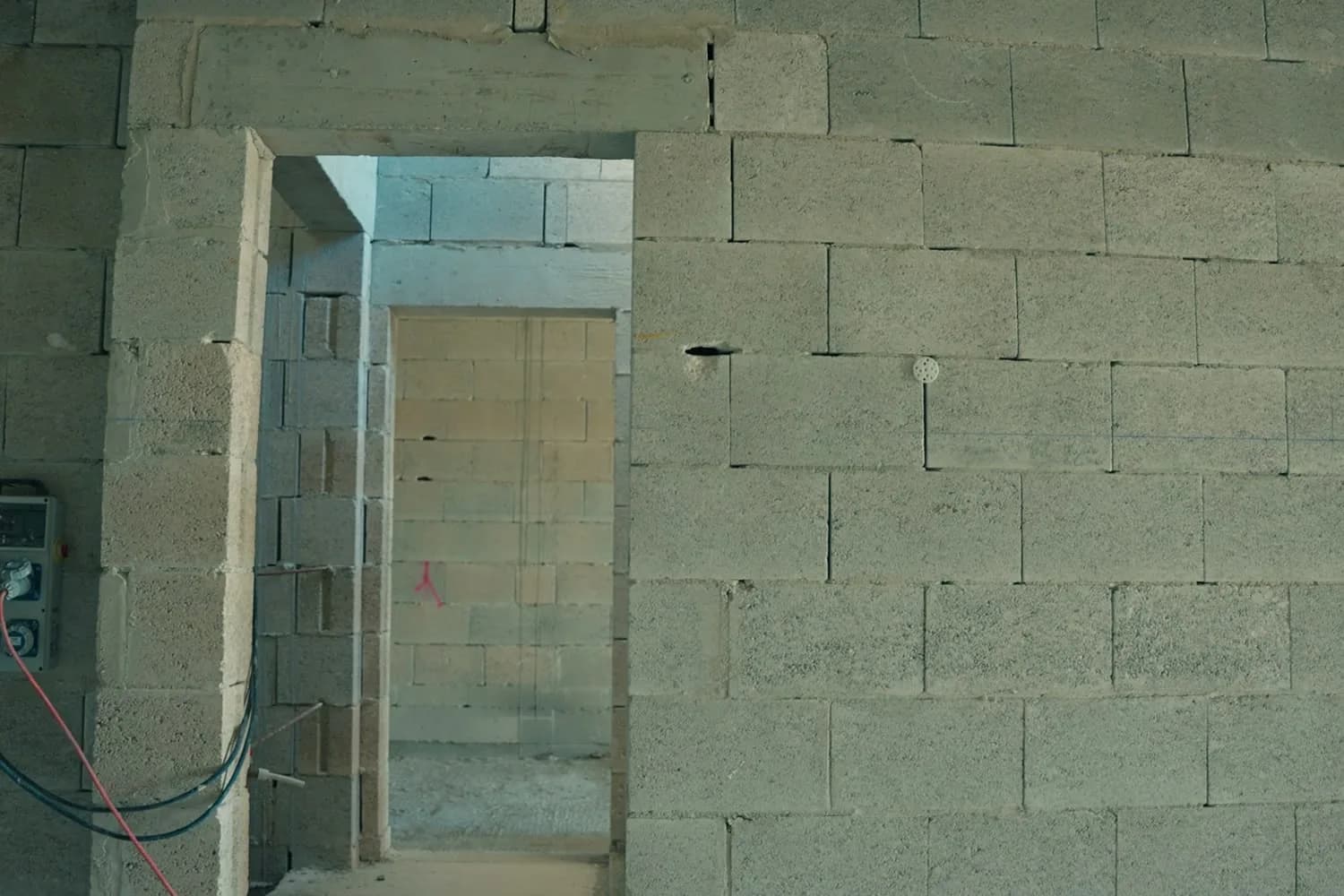
Block walls are built from hollow concrete blocks (or, in older properties, local limestone), bonded with mortar and then plastered on both faces. They are heavy, solid and familiar to every builder on the island. Once plastered and painted, they feel like part of the building.
Gypsum partitions
A gypsum partition is a lightweight metal stud frame clad on each side with gypsum boards. The cavity can be filled with mineral wool insulation for sound and thermal performance. Joints are taped and skimmed to give a smooth, paint-ready surface. Boards come in different grades, including moisture-resistant and fire-rated versions, and can be doubled up for better performance.
Key differences at a glance
| Factor | Gypsum partition | Block wall |
|---|---|---|
| Weight | Very light | Heavy |
| Build speed | Fast, mostly dry | Slower, needs mortar and plaster to dry |
| Mess on site | Relatively low | Higher (cutting, mortar, plaster) |
| Services (cables, pipes) | Run inside the cavity | Chased into the wall |
| Acoustics | Good when insulated and detailed well | Good by mass, depends on plaster and gaps |
| Heavy fixings | Need planned noggins/reinforcement | Straightforward |
| Moisture tolerance | Needs correct board grade and detailing | More forgiving |
When gypsum partitions make sense
Upper floors and older buildings
Weight matters. Adding block walls on an upper floor, or on a slab that was never designed to carry them, can put load where the structure does not want it. Gypsum partitions weigh a fraction of a block wall, which is why they are often the preferred option in apartments, penthouses and older properties. Your periti should always confirm what the structure can take.
Speed and minimal disruption
Gypsum is a largely dry process. There is no waiting for mortar to cure or for thick plaster coats to dry out, which is useful during Malta's damp rainy season from October to February, when drying times stretch. For commercial fit-outs and occupied homes, a faster, cleaner build can make a real difference to the programme.
Hiding services
Because the wall is hollow, electrical cables, data lines and some plumbing can be run inside the cavity without chasing. This keeps things neat and makes later changes easier. It also pairs naturally with gypsum soffits and suspended ceilings, which can hide lighting, air-conditioning ducts and pipework overhead.
Flexible layouts
Offices, shops and rental properties often need reconfiguring. A stud partition can be removed or moved with far less disruption than demolishing blockwork.
When block walls still win
Wet and exposed areas
Gypsum can be used in bathrooms with moisture-resistant boards, proper sealing and a waterproofing layer behind tiles. Even so, many clients prefer blockwork for walls that will be constantly wet, or for areas exposed to the weather. External walls, boundary walls and anything facing salty coastal air should be in masonry.
Heavy loads
If you plan to hang large kitchen wall units, a wall-mounted toilet, a heavy TV bracket or shelving full of books, block takes the load easily. Gypsum can too, but only if timber or metal reinforcement is built into the frame at the right height before the boards go on. That means planning fixings early.
Security and robustness
For party walls, storerooms or areas where impact resistance matters, solid masonry is harder to damage and feels more substantial.
Structural or fire separation
Where a wall needs to meet specific structural or fire separation requirements, follow your periti's specification. Fire-rated gypsum systems exist, but the design must be done properly. Do not assume either option is acceptable without checking.
Sound insulation: a common worry
Many people assume gypsum walls are "thin" and noisy. A single-board partition with an empty cavity can indeed transmit sound. A well-built system with insulation in the cavity, doubled boards and sealed edges can perform very well, often comparable with plastered blockwork for everyday living. The details matter most:
- Fill the cavity with acoustic mineral wool.
- Use two layers of board on each side where privacy matters (bedrooms, home offices, meeting rooms).
- Seal gaps at the floor, ceiling and around sockets.
- Avoid placing sockets back-to-back on either side of the wall.
Moisture and Malta's humidity
Malta's humid summers and damp winters are hard on any finish. For gypsum, choose moisture-resistant boards in kitchens, bathrooms and laundry areas, keep boards off wet floors, and make sure any existing damp in the building is dealt with first. For blockwork, rising damp and salt can push through plaster over time, so good plastering and breathable paint systems are important too. Neither wall type fixes an underlying damp problem.
Cost drivers
It is difficult to compare costs fairly in the abstract. The total price for either option depends on:
- Wall length and height, and the number of openings (doors, hatches)
- Board type (standard, moisture-resistant, fire-rated) and number of layers
- Insulation requirements
- Plastering and finishing on block walls
- Access, floor level and how materials reach site
- How much time is saved on the overall programme
Gypsum is often competitive once you factor in the speed and the absence of wet plastering, but every site is different. The only reliable figure comes from a site visit and a written quote.
Frequently asked questions
Can I hang kitchen cabinets on a gypsum wall?
Yes, provided reinforcement is installed inside the frame where the cabinets will go. Tell your contractor about heavy items before the boards are fixed.
Do I need a permit to add an internal partition?
Internal changes are often straightforward, but rules vary with the property and what is being altered. Check with your periti or the Planning Authority before starting, especially in apartment blocks or listed buildings.
Is gypsum suitable for bathrooms?
It can be, using moisture-resistant boards with a waterproofing membrane behind tiles. Many clients still choose block for shower walls.
Can gypsum and block be mixed in one project?
Absolutely. A common approach is blockwork for wet areas and external-facing walls, with gypsum partitions and soffits elsewhere.
Talk to us about your layout
Shaw Contractors installs gypsum partitions and soffits as part of complete shell-to-furnished projects for homes and businesses across Malta. If you are weighing up your options, we can visit the site, look at the structure and layout, and give you a free quote. Call us on +356 9949 8507 or get in touch here.