Micro Cement Bathrooms in Malta: Pros, Cons and Maintenance
Thinking of a seamless micro cement bathroom? Here are the honest pros, cons and care tips for Malta homes, from preparation to sealing.
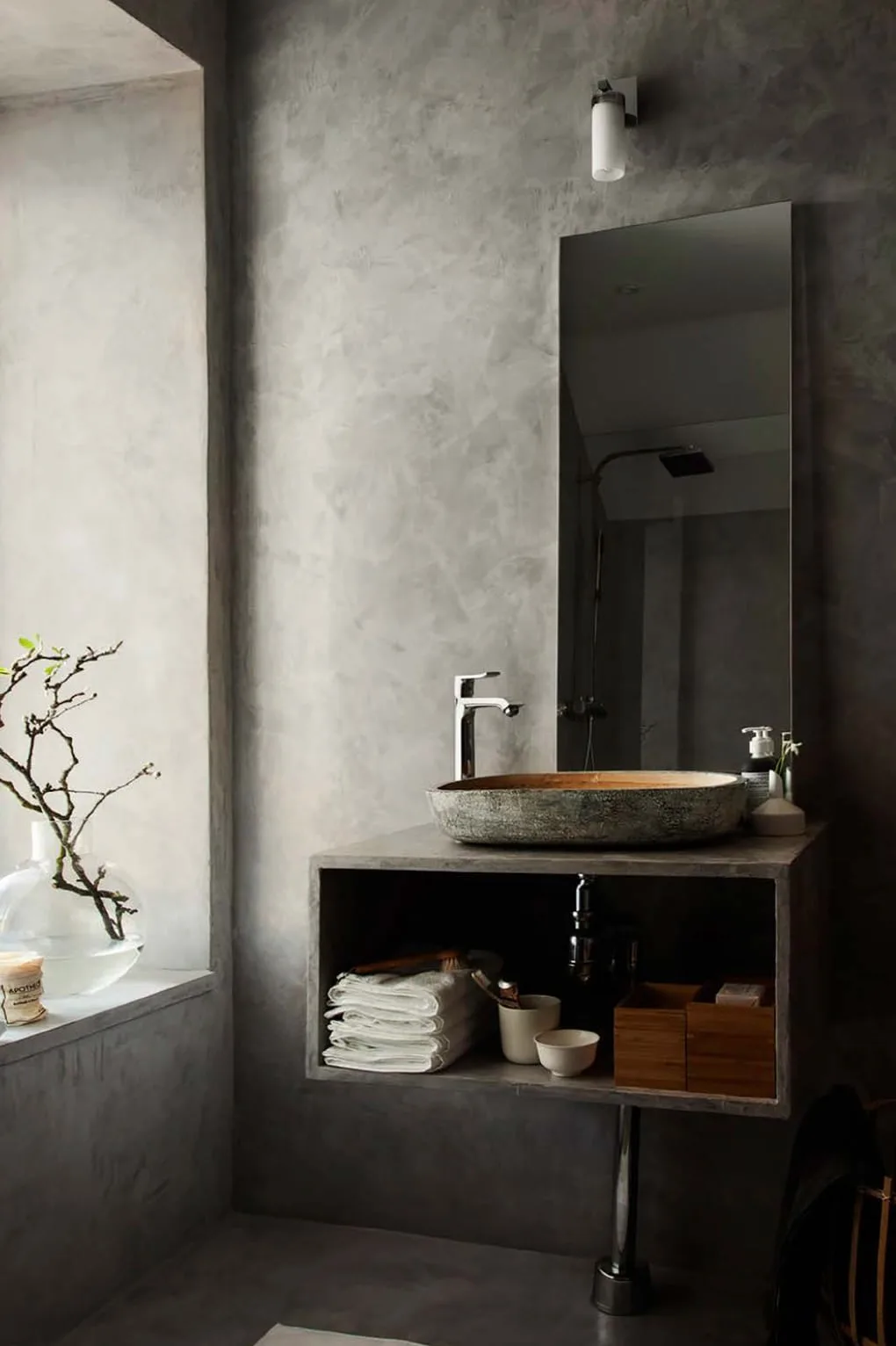
Micro cement has become one of the most requested finishes for bathrooms in Malta. A continuous, joint-free surface running across floor, walls and even into the shower gives a calm, modern look that tiles struggle to match. But a bathroom is the most demanding room in the house for any finish, and micro cement is no exception. Done well, it is beautiful and practical. Done badly, it can crack, stain or let water through.
Here is a straightforward look at what to expect.
What is micro cement?
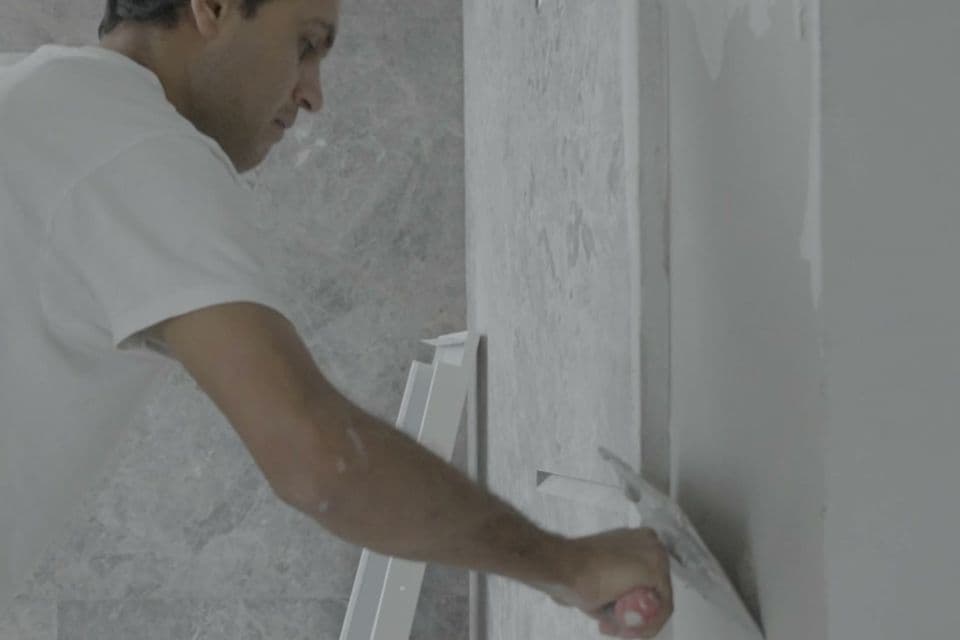
Micro cement is a thin, cement-based coating, typically applied by trowel in several layers to a total thickness of just a few millimetres. It bonds to a properly prepared substrate such as screed, plaster, existing tiles or board, and is then sealed with protective coats. Because it is so thin, it can often be applied over existing surfaces without major demolition, although that depends on their condition.
The pros
Seamless and easy to clean
With no grout lines, there is nowhere for mould and soap scum to settle in the joints. In Malta's humid climate, where bathrooms in apartments and maisonettes often lack good natural ventilation, that is a real advantage.
A continuous look
Floor, walls, shower tray area, vanity tops and niches can all be finished in the same material and colour. Small bathrooms in particular feel larger and less busy.
Thin build-up
Because the finish is only a few millimetres thick, it can sometimes go over existing tiles once they are checked, cleaned and primed. This avoids raising floor levels, which matters at thresholds and doors.
Works well with underfloor heating
Micro cement suits underfloor heating, which takes the chill off floors during the winter months.
The cons
It depends on the substrate
Micro cement mirrors what is underneath. Loose tiles, hollow screed, moving joints or cracks in the substrate can telegraph through the finish. Proper assessment and preparation are not optional.
Waterproofing is a separate job
The sealer makes the surface water-resistant, but micro cement alone should not be treated as the waterproofing layer in a shower. A proper waterproof membrane needs to go underneath in wet zones, with attention to corners, drains and pipe penetrations. Ask any installer how they deal with this.
Skilled, hand-applied work
It is a craft finish. Each layer is trowelled by hand, so results depend heavily on the applicator. Expect some natural variation in tone and texture; that is part of its character, not a defect.
It can scratch and mark
The sealer protects the surface, but sharp objects, grit underfoot and harsh chemicals can damage it. Hair dyes, some cosmetics and strong cleaners can stain if left sitting.
Hairline cracks are possible
As a cement-based material, fine hairline cracks can appear, particularly where the building moves or where different substrates meet. Good preparation, reinforcement mesh where appropriate and respecting movement joints reduce the risk.
Repairs are harder to hide
Replacing a broken tile is simple. Patching micro cement so it blends perfectly is more difficult, so it pays to get it right first time.
Preparation: where good jobs are won
For a bathroom, the typical sequence is:
- Assess the substrate – check for hollow tiles, cracks, damp and levels.
- Repair and level – fix defects and, where needed, re-screed or use a self-levelling compound on the floor.
- Waterproof the wet zones – membrane in the shower area, with reinforcing tape at corners and around drains.
- Prime and apply base coats – often with mesh embedded to resist cracking.
- Apply finishing coats – trowelled to the desired texture.
- Seal – several coats of sealer, allowed to cure fully before the bathroom is used.
Curing times are affected by temperature and humidity. In the heat of a Maltese summer, coats can dry too quickly; in the wet winter months they take longer. A good applicator adjusts for both.
Choosing the right finish
- Floor and shower areas: A finish with some texture or an anti-slip additive in the sealer is safer underfoot.
- Walls: Smoother finishes are fine and easier to wipe down.
- Colour: Lighter shades show water marks less than very dark tones. Very dark micro cement can highlight limescale.
- Sealer: Matt, satin or gloss options exist. Matt hides fine scratches better.
Maintenance: keeping it looking good
Micro cement is low-maintenance, not no-maintenance. A few habits make a big difference.
Daily and weekly care
- Squeegee or wipe the shower area after use to limit limescale – Malta's water is hard.
- Clean with a pH-neutral cleaner and a soft cloth or mop.
- Ventilate the room: run the extractor fan or open a window after showering.
What to avoid
- Bleach, ammonia, acidic descalers and abrasive powders.
- Scouring pads and stiff brushes.
- Leaving hair dye, nail varnish remover or oils sitting on the surface.
Resealing
The sealer is a wearing layer. Over time, especially in a busy family bathroom, it will need refreshing. How often depends on use and cleaning habits. When water stops beading on the surface, it is usually time to ask about a maintenance coat.
Is micro cement right for your bathroom?
It is a strong choice if you want a seamless, contemporary bathroom, you are prepared to follow simple care rules, and you will use an experienced installer who takes preparation and waterproofing seriously. If you want the most forgiving, easily repaired surface for a heavily used family bathroom, good quality tiling may suit you better. Some clients combine both: micro cement on walls and vanity, tiles on the shower floor.
Frequently asked questions
Can micro cement go over my existing bathroom tiles?
Often, yes, if the tiles are firmly bonded and level. Hollow or cracked tiles must be removed or repaired first.
Is micro cement waterproof?
Once sealed it is water-resistant, but showers need a proper waterproof membrane underneath.
Is it slippery?
It can be when wet if finished very smooth. Ask for a textured finish or anti-slip sealer on floors.
How long before I can use the bathroom?
It depends on the system and the weather, but allow several days for full curing after sealing. Your installer will confirm.
Get a free assessment
Shaw Contractors applies micro cement in bathrooms, kitchens and living spaces across Malta, from the substrate up. We will check your existing surfaces and give honest advice on what will work. Book a free site visit and quote on +356 9949 8507 or contact us online.