Internal vs External Plastering in Malta: Materials, Finishes and Common Problems
The difference between internal and external plastering in Malta, which materials suit each, and how to avoid cracks, damp and hollow plaster.
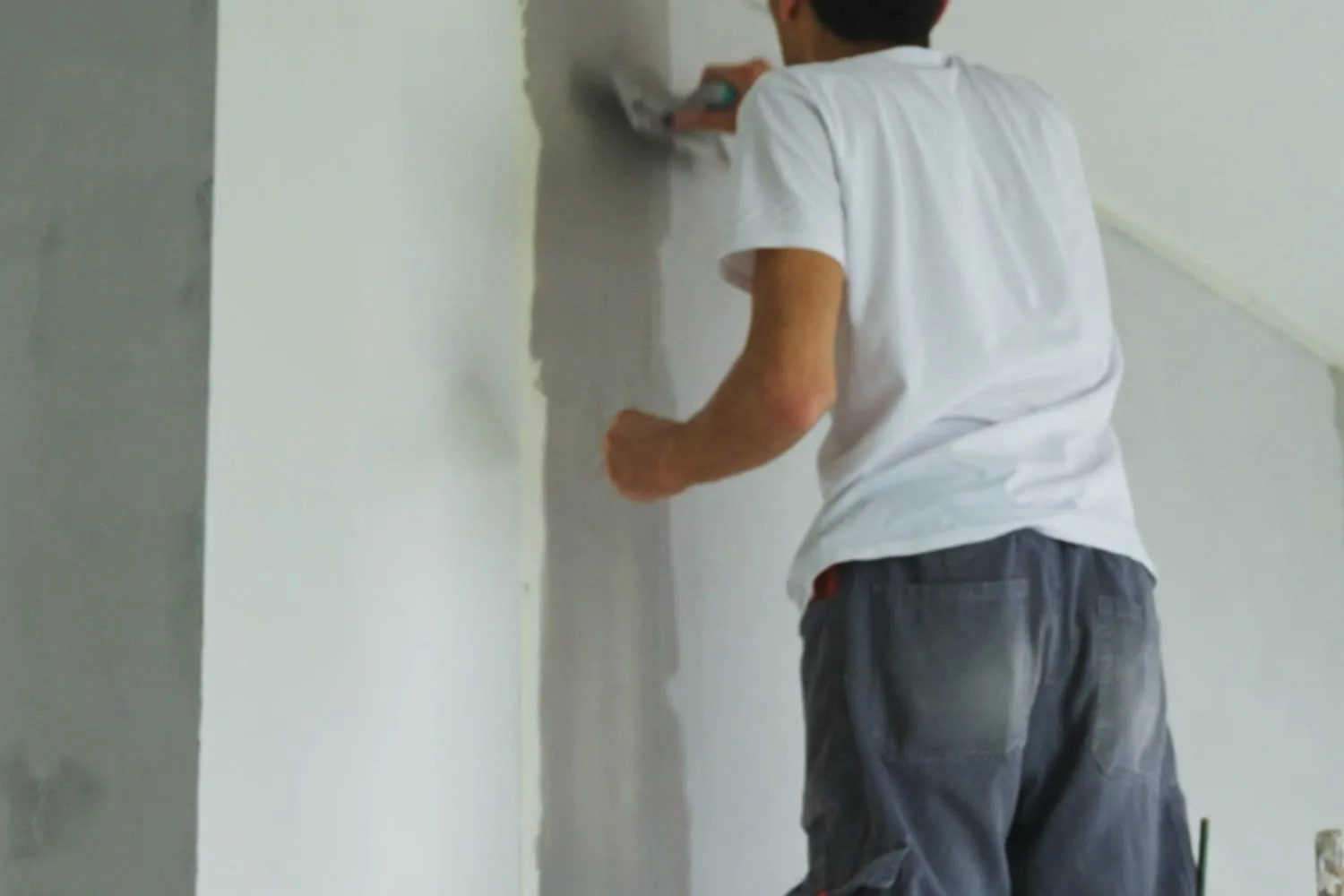
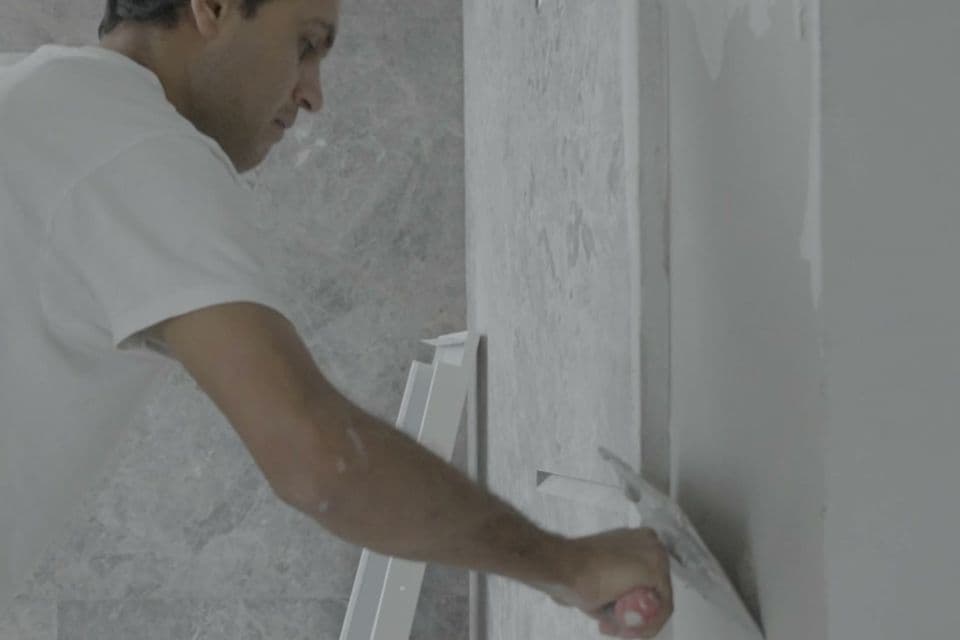
Plastering in Malta is not a one-size-fits-all job. The plaster on the inside of your home has a very different role from the render on the outside, and using the wrong material, or applying it badly, is one of the most common causes of cracks, damp patches and flaking paint we see on the islands.
This guide covers the key differences between internal and external plastering, the materials typically used, the finishes available, and the problems to watch out for.
What plaster actually does
Plaster and render give walls a smooth, even surface ready for painting, but they also:
- Protect the underlying blockwork or stone
- Help manage moisture moving in and out of the wall
- Hide services such as conduits and pipes chased into walls
- Contribute to the look and feel of the finished room or façade
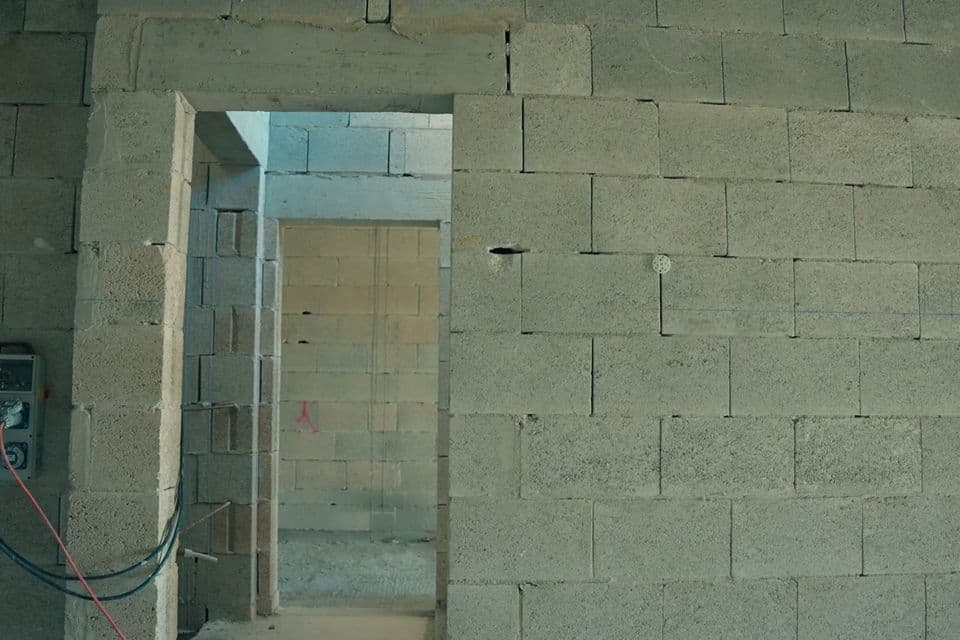
In Malta, walls are typically built from hollow concrete blocks or local limestone (franka). Both behave differently, and the plaster needs to suit the background it is applied to.
Internal plastering
Inside the home, plaster is protected from rain and direct sun, so the priorities are a smooth, flat finish, good adhesion, and a surface that takes paint well.
Common internal materials
- Gypsum-based plasters: widely used for smooth interior walls and ceilings. They set relatively quickly and give a fine, even finish. They are not suitable for wet or external areas.
- Cement-based plasters: harder and more moisture-tolerant, often used in bathrooms, kitchens, ground floors and areas prone to damp.
- Lime-based plasters: breathable and often the right choice for older limestone buildings, where moisture must be allowed to escape rather than be trapped.
- Skim coats: a thin finishing layer applied over a base coat or existing plaster to achieve a smooth surface.
Internal finishes
- Smooth skim, ready for emulsion paint
- Textured finishes for a more rustic or decorative look
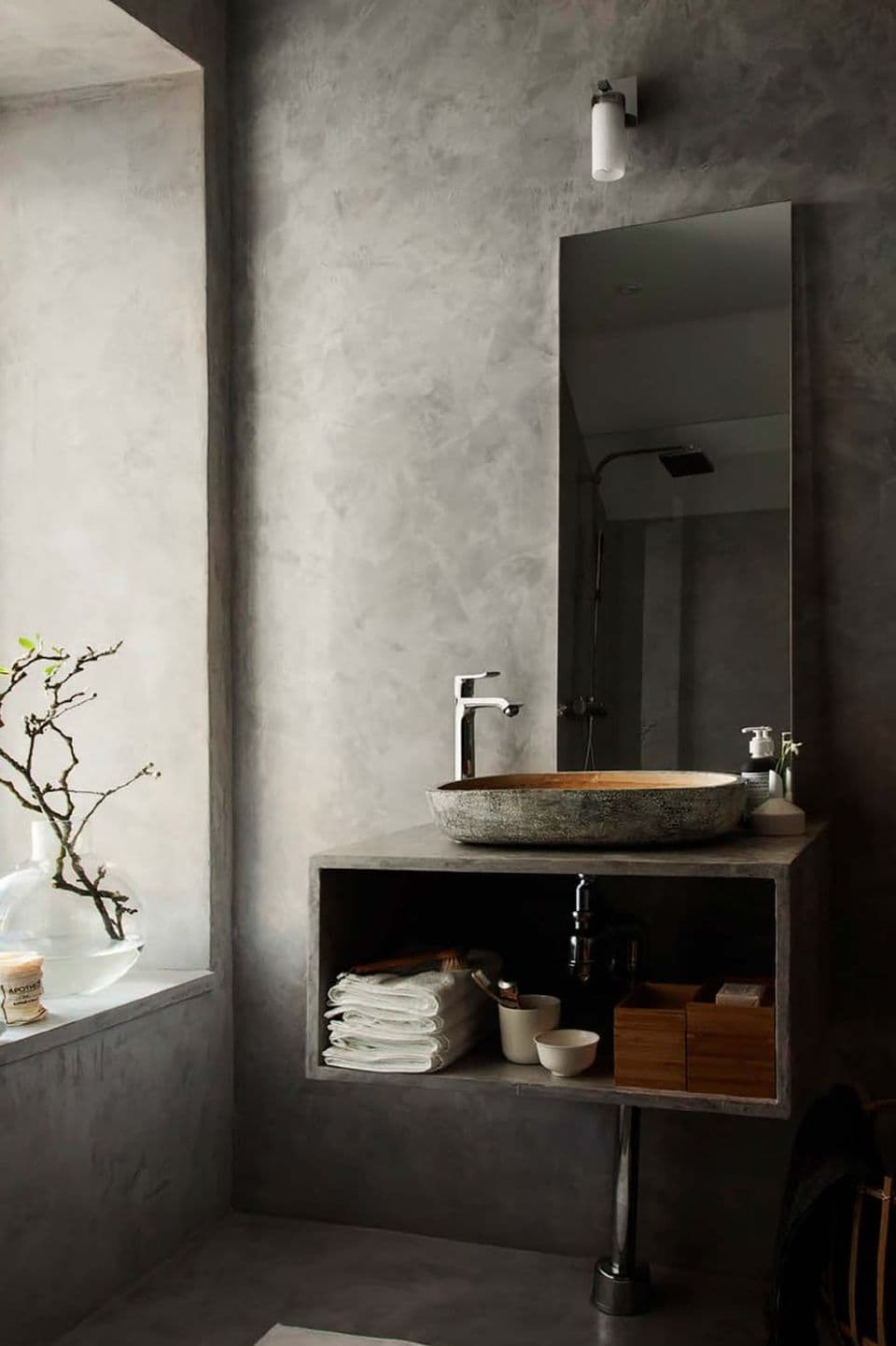
- Decorative plasters such as polished or stucco-style finishes in feature areas
Where ceilings or partitions are being built from scratch, gypsum soffits and partitions are often used instead of wet plaster, as they are quicker and allow lighting and services to be hidden neatly.
External plastering (render)
Outside, plaster has a much tougher job. External walls in Malta face strong summer sun, heavy bursts of winter rain, wind and, near the coast, salt-laden air.
Common external materials
- Cement-based renders: strong and weather-resistant, widely used on blockwork façades and boundary walls.
- Lime-based renders: more breathable and flexible, often preferred on traditional limestone buildings to avoid trapping moisture inside the stone.
- Modern pre-mixed renders: many include additives for better adhesion, flexibility or water repellence.
External finishes
- Smooth render for painting
- Textured or scratched finishes, which can hide minor imperfections and weather well
- Through-coloured renders, where the colour is in the material itself
Common plastering problems in Malta
Hollow or "drummy" plaster
If you tap a wall and it sounds hollow, the plaster has lost its bond with the wall behind. Causes include poor surface preparation, applying plaster to a dusty or overly dry background, or moisture getting behind it. Hollow areas usually need to be cut out and replastered.
Cracking
- Fine shrinkage cracks can occur if plaster dries too fast, which is common in hot weather when it is not kept damp while curing.
- Cracks at junctions between different materials (for example block and concrete beams) are caused by movement. Mesh reinforcement at these points helps.
- Larger structural cracks need investigating before replastering. Ask a periti to assess anything that looks structural.
Damp and salt deposits
White, powdery deposits (efflorescence) and bubbling plaster are often signs of moisture moving through the wall and bringing salts with it. This is common in ground-floor rooms, basements, and properties near the sea. Rising damp, a leaking roof or a failed external render may be the source.
Using a dense cement plaster on a limestone wall can make this worse, as it traps moisture inside the stone, which then tries to escape elsewhere.
Paint failure
Painting too soon over fresh plaster, or using the wrong paint, often leads to peeling and blistering. Plaster needs time to dry out properly before painting, and the paint system should suit the plaster and its location. Our painting and plastering service handles both, so the two are planned together.
Getting plastering right
Good plastering comes down to a few principles:
- Fix the cause of damp first. Plastering over a leak or rising damp only delays the problem.
- Match the plaster to the wall. Breathable materials for limestone; suitable cement-based systems for blockwork and wet areas.
- Prepare the background. Clean, sound, suitably dampened surfaces, with bonding agents or mesh where needed.
- Respect the weather. Avoid applying external render in extreme heat or during rain, and keep fresh plaster from drying too fast.
- Allow curing time before painting.
What affects the cost?
Plastering costs can vary widely. The main factors are wall area and height, whether old plaster needs removing, the condition of the background, the material and finish chosen, and access (scaffolding for façades adds cost). The real figure depends on the site, so ask for a free quote.
Frequently asked questions
Can I use the same plaster inside and outside?
Generally not. Gypsum-based plasters are for interiors only, while external walls need renders designed to cope with weather.
How long should I wait before painting new plaster?
It depends on the material, thickness and weather. Thin skim coats dry faster than thick base coats. Your contractor should check the plaster is dry before painting.
Why does plaster keep falling off my old stone wall?
Often because moisture is trapped in the stone, sometimes by an unsuitable cement plaster. A breathable system and dealing with the moisture source are usually needed.
Do I need permission to re-render my façade?
For routine repairs, usually not, but changes to the appearance of a façade, especially in conservation areas, may need approval. Check with the Planning Authority or your periti.
Need plastering done properly?
Shaw Contractors carries out internal and external plastering on residential and commercial properties across Malta, from shell to finished. Call +356 9949 8507 or get in touch for a free site visit and quote.