What Does a Turnkey (Shell to Furnished) Contractor Actually Do in Malta?
Buying a shell property in Malta? Here is what a turnkey contractor handles, stage by stage, from bare concrete to a home or business ready to use.
A large share of new apartments, maisonettes and commercial units in Malta are sold in "shell form" – bare concrete walls, a rough slab, and service connections waiting at the door. Turning that shell into a finished, usable space involves a long list of trades working in the right order. A turnkey contractor takes responsibility for that whole journey, so you deal with one team instead of coordinating a dozen.
This guide explains what "shell to furnished" really covers, what you still need to decide yourself, and how to tell whether a turnkey approach suits your project.
What "shell", "finished" and "turnkey" mean in Malta
The terms get used loosely, so it helps to pin them down:
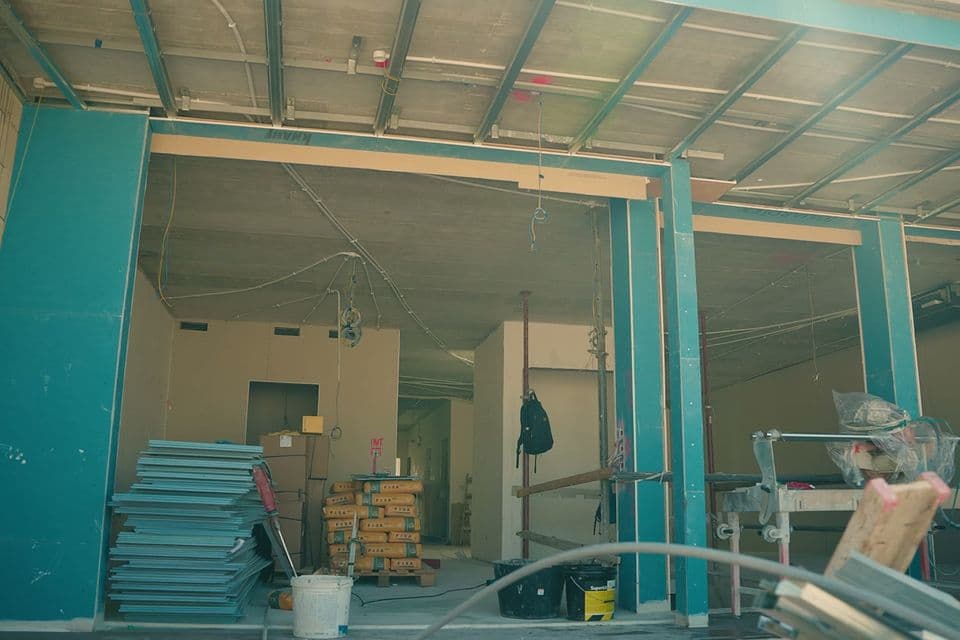
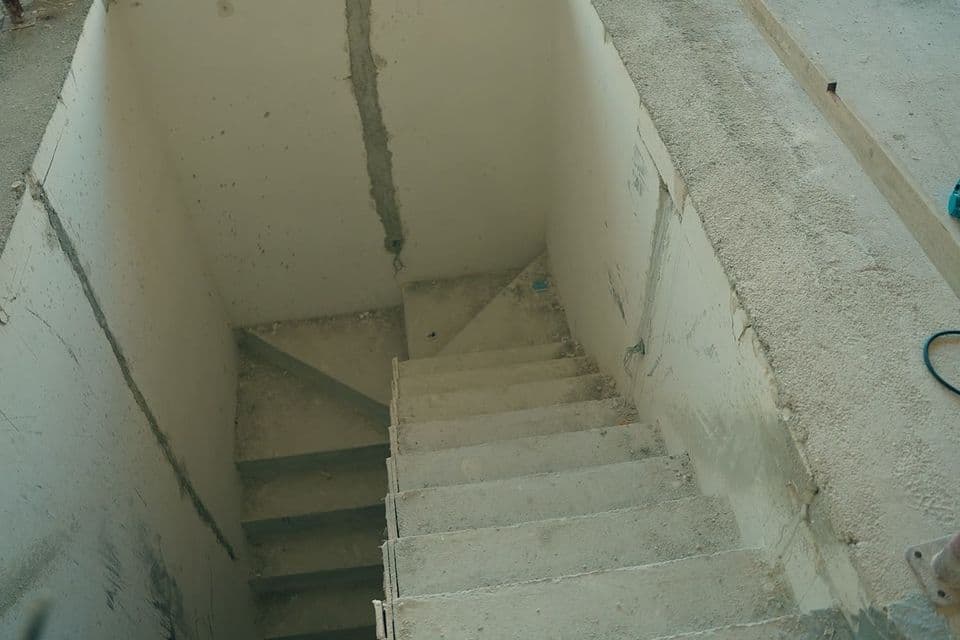
- Shell form – structure built, usually with external apertures either missing or basic. No plastering, no screed, no electrical or plumbing distribution, no finishes.
- Semi-finished – typically plastered walls, screeded floors and first-fix services, but no tiles, paint, bathrooms or kitchen.
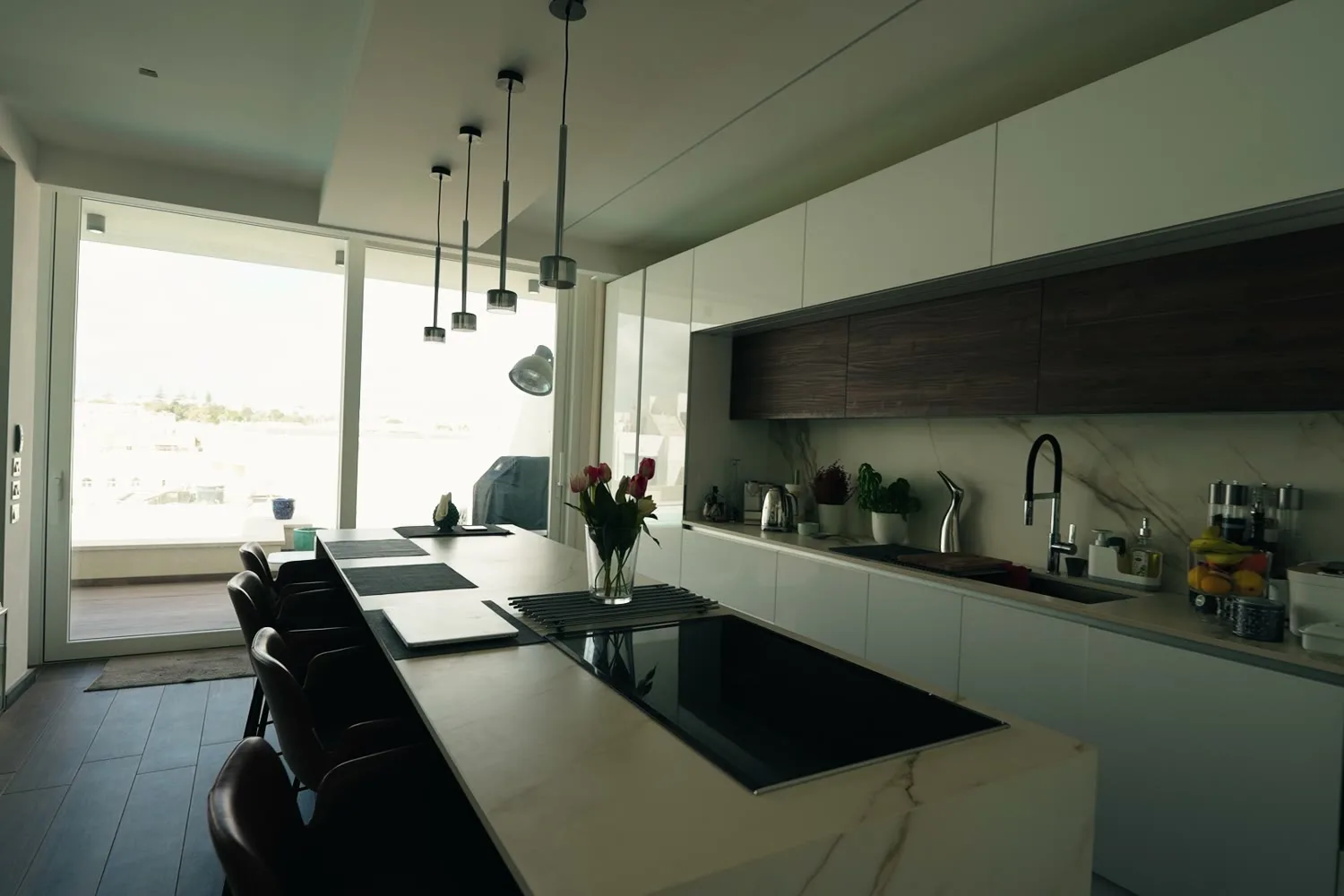
- Finished / turnkey – everything done so you can move in or open for business: floors, walls, ceilings, bathrooms, kitchen installation, lighting and final finishes.
"Turnkey" simply means you are handed the keys to a space that is ready to use. The exact scope should always be written down, because one contractor's "finished" can differ from another's.
What a turnkey contractor actually does
1. Survey, scope and planning
Before any work starts, the contractor visits the site, checks levels, existing services and the condition of the structure, and works through your layout and finish choices. In older limestone buildings this stage also means looking for damp, uneven walls and past repairs that will affect the plan.
The output should be a clear scope of works and a sequence – what happens first, what depends on what, and which decisions you need to make by when.
2. Coordinating the trades
This is the core of the job. A shell-to-furnished project usually involves:
- Gypsum partitions and soffits to create rooms, bulkheads and hidden service routes
- Electricians and plumbers for first-fix and second-fix
- Plastering and painting
- Concrete screed or self-levelling screed to bring floors to level
- Underfloor heating, if specified, laid before the screed
- Waterproofing to bathrooms, terraces and roofs
- Tiling, micro cement or other floor and wall finishes
- Kitchen, wardrobe and door installers
The turnkey contractor books these trades in the right order, makes sure each one leaves the work ready for the next, and resolves clashes on site. Our project management service is built around exactly this sequencing.
3. Getting the hidden work right
The parts you never see are the ones that cause the most expensive problems later. A good turnkey contractor pays close attention to:
- Floor levels – screed thickness has to allow for pipes, underfloor heating and the final floor finish, so doors and thresholds line up.
- Waterproofing – showers, balconies and flat roofs need a proper membrane before tiling. In Malta's rainy season, from roughly October to February, poor detailing shows up quickly.
- Curing and drying times – screed and plaster need time to dry before tiles, timber or paint go on. Rushing this leads to cracking, debonding and mould, especially in humid summer months.
4. Finishes and installation
Once the background work is done, the visible finishes go in: tiles or micro cement, paint, ceilings, lighting fittings, sanitaryware, doors and joinery. The contractor checks that the finishes match what you agreed and that each trade has protected the work of the others.
5. Snagging and handover
Before handover, the space should be inspected room by room for defects – chipped tiles, paint touch-ups, doors that bind, silicone gaps. A turnkey contractor organises the fixes and then hands over a clean, working space.
What you still decide as the client
Turnkey does not mean you have no say. You will normally still choose:
- Layout and room use (often with a perit or interior designer)
- Tiles, colours, sanitaryware and fittings
- Kitchen and wardrobe design
- Lighting and socket positions
- Budget priorities – where to spend and where to save
The contractor's job is to tell you when each decision is needed so that the programme does not stall waiting on a choice.
Turnkey vs managing it yourself
Managing trades yourself can work if you have time, experience and are often on site. The trade-offs are worth weighing honestly.
When turnkey makes sense
- You are working full time or living abroad
- The project involves many trades, such as a full shell-to-finished apartment
- You want one point of contact and one programme
- It is a commercial unit with a fixed opening date
When self-managing can work
- The scope is small, such as repainting or retiling one room
- You already have trusted trades who work well together
- You can be on site regularly to make quick decisions
How turnkey projects are usually priced
Costs vary widely depending on size, condition, finishes and access, so any figure without a site visit is guesswork. The main cost drivers are:
- Floor area and number of wet rooms – bathrooms and kitchens carry the most trades per square metre.
- Level of finish – standard porcelain tiles versus large-format slabs or micro cement makes a real difference.
- Floor build-up – underfloor heating, insulation and screed type.
- Ceilings and partitions – gypsum soffits with recessed lighting add labour and material.
- Access – upper floors without a lift, narrow streets in village cores and restricted delivery times all add time.
The most useful thing you can do is ask for an itemised quote based on a site visit, so you can see exactly where the money goes.
Frequently asked questions
Does a turnkey contractor supply furniture?
"Furnished" usually refers to fixed items such as kitchens, built-in wardrobes, bathrooms and lighting. Loose furniture is normally your choice, but confirm what is included in the written scope.
Do I still need a perit?
Often, yes – particularly if you are changing layouts, openings or anything structural. The perit handles design and any permit matters; the contractor carries out the works. It is worth checking with a perit early.
Can I live in the property while the work is done?
For a full shell-to-finished job, no – the property is not habitable until near the end. For a renovation, it depends on the scope and how the work can be phased.
Can a turnkey contractor handle commercial units too?
Yes. Offices, shops and restaurants follow the same principle, with extra attention to opening dates, services and any licensing requirements.
Get a turnkey quote for your Malta property
If you have a shell or semi-finished property and want one team to take it all the way to finished, we can help. Book a free site visit and quote by calling +356 9949 8507 or through our contact page.