How Long Does a Renovation Take in Malta? A Realistic Stage-by-Stage Timeline
A realistic look at renovation timelines in Malta: each stage, what slows things down, and how to keep your project moving.
"How long will it take?" is usually the second question anyone asks about a renovation in Malta, right after "how much?". The honest answer is that it depends on the size of the property, the scope of work, how quickly decisions are made and – more than most people expect – drying times and material lead times.
Rather than promise a single number, this guide walks through each stage of a typical renovation, what affects its length, and where projects most often lose time.
The big factors that set your timeline
Before looking at stages, it helps to know what makes one project take twice as long as another:
- Scope – repainting a flat is very different from a full strip-out with new bathrooms, kitchen, floors and ceilings.
- Property type – an apartment in a block has access, lift and neighbour considerations; a townhouse may have old limestone walls with damp and uneven surfaces that need extra preparation.
- Permits – structural changes or alterations to the façade may need approval before work starts, which can add weeks or months before anyone picks up a tool.
- Decisions – late choices on tiles, kitchens or layouts are one of the most common causes of delay.
- Material lead times – imported tiles, sanitaryware and custom joinery can take weeks to arrive.
- Season – screeds and plaster dry differently in humid summers and wet winters.
Stage-by-stage renovation timeline
The durations below are broad indications for a typical residential renovation. Your project may be shorter or considerably longer.
Stage 1: Planning, design and permits
This is where you agree the layout, choose finishes and – if needed – work with a perit on drawings and permits. For simple internal works, planning might take a few weeks. If a permit application is involved, expect this stage to take much longer, and do not book trades until you have clarity.
Tip: choose your main finishes (tiles, sanitaryware, kitchen) during this stage, not once work has started.
Stage 2: Strip-out and demolition
Removing old tiles, screeds, partitions, bathrooms and kitchens is noisy but usually quick – often days rather than weeks for an average apartment. Skip permits, debris removal and building rules on noisy works can affect how it is scheduled.
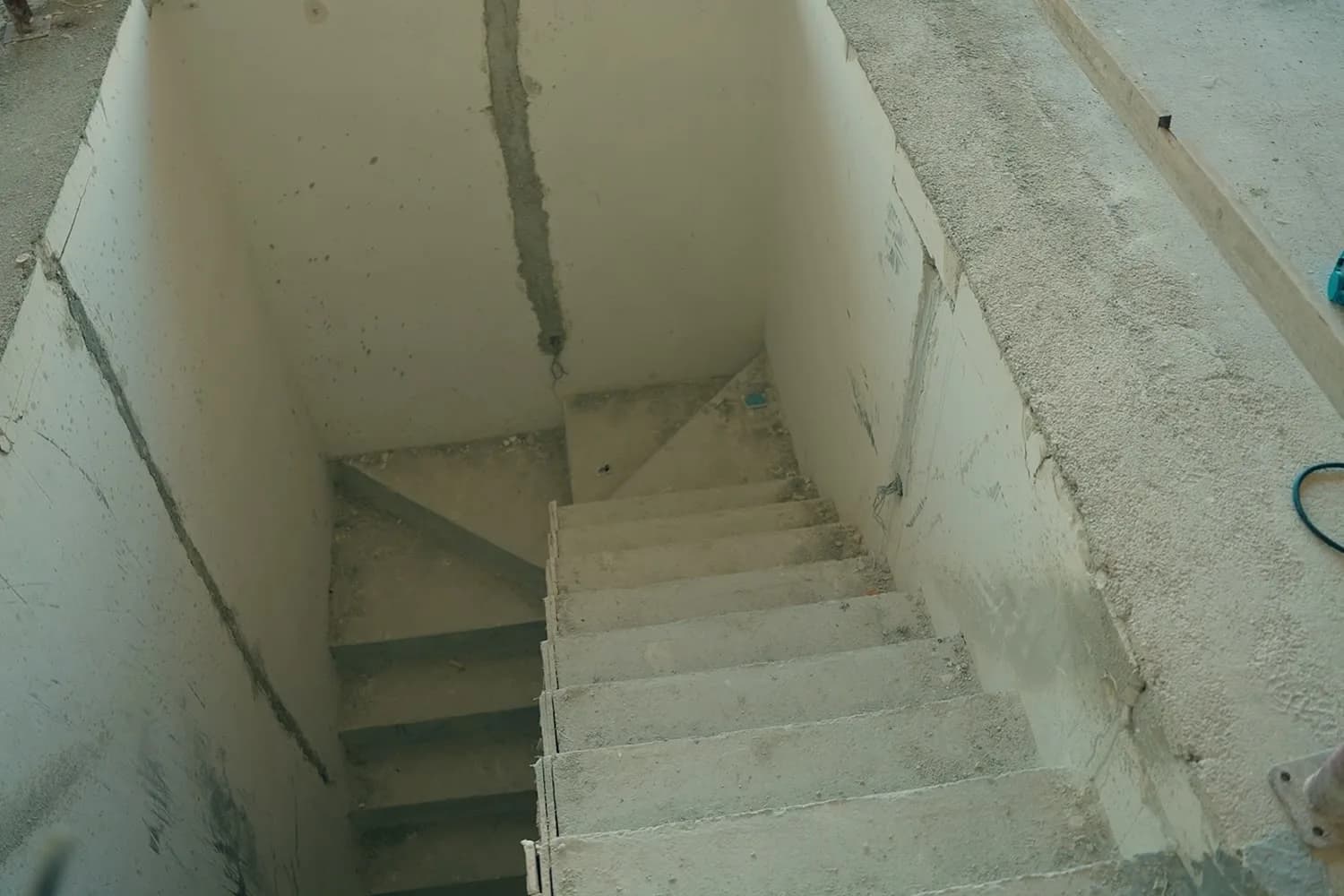
This is also when surprises appear: hidden damp, cracked slabs, old pipework or rusted steel. Allow some slack in the programme for them.
Stage 3: Structural and building works
If walls are being moved, openings created or repairs made to the structure, this happens next under the perit's direction. The duration depends entirely on the scope.
Stage 4: Partitions, first-fix services and soffits
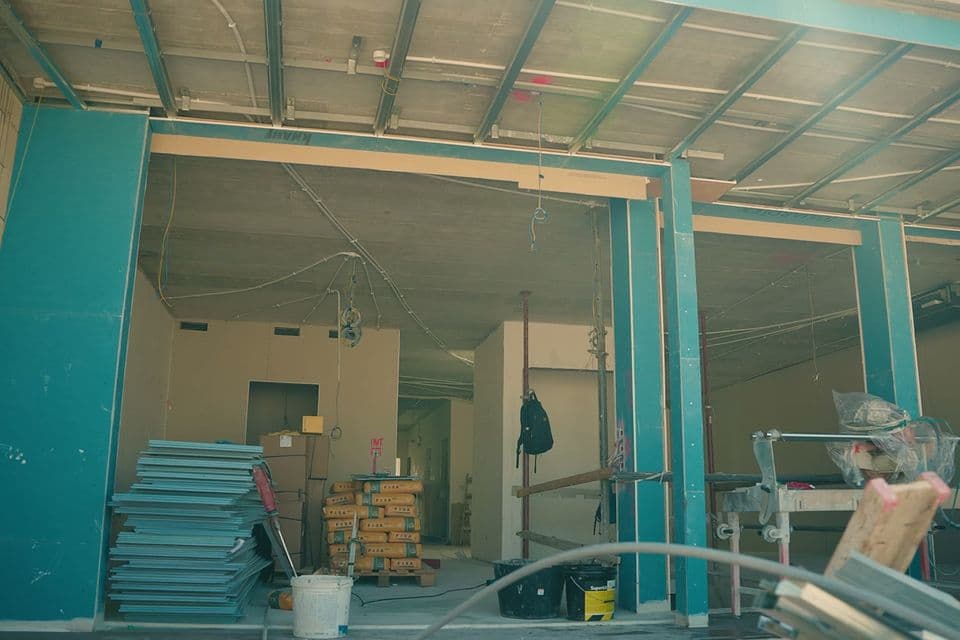
New internal layouts often use gypsum partitions, which are fast to build compared with block walls. Electricians and plumbers then run cables, conduits and pipes – the "first fix". Gypsum soffits and bulkheads can hide services and create lighting features. See our gypsum soffits and partitions service for more.
This stage commonly takes a few weeks for a full apartment, with several trades working in sequence.
Stage 5: Plastering, waterproofing and screed
This is where patience pays off:
- Plastering walls and ceilings needs time to dry before painting.
- Waterproofing showers, terraces and roofs must be applied and allowed to cure before tiling.
- Underfloor heating, if specified, is laid and pressure-tested before screeding.
- Screed levels the floor. A traditional sand-cement screed takes considerably longer to dry than many people assume, especially when thick. Self-levelling screeds can be quicker to finish but still need their full drying time before sensitive floor finishes.
Laying tiles or timber on a screed that is still wet is one of the most common causes of later failures, so this is not the place to cut corners.
Stage 6: Tiling and floor finishes
Once screeds are dry, tiling or micro cement can begin. Large-format tiles, complex patterns or feature walls take longer than standard layouts. Micro cement is applied in several thin coats with drying time between each.
Stage 7: Second fix, painting and installation
Electricians fit sockets, switches and lights; plumbers connect sanitaryware; kitchens, wardrobes and internal doors are installed. Painting usually runs through this stage, with final coats at the end to cover any marks from installers.
Stage 8: Snagging, cleaning and handover
A thorough walk-through identifies small defects to fix before handover, followed by a builder's clean. Allow at least a week or so for this, more on larger projects.
Typical overall durations
As a rough guide only:
- Single bathroom refurbishment – often a few weeks, depending on waterproofing and tile choices.
- Full apartment renovation – commonly a few months from strip-out to handover.
- Shell to finished apartment or maisonette – similar to or longer than a full renovation, depending on finishes and decisions.
- Larger townhouses or commercial units – longer again, and very dependent on permits and scope.
Every project is different, and a proper programme can only be set after a site visit.
Where renovations lose time
- Waiting for client decisions on finishes
- Late delivery of imported materials
- Trades not available when the previous trade finishes
- Rushing drying times, then fixing the consequences
- Scope changes after work has started
- Restrictions on working hours or deliveries in apartment blocks
A single coordinator who books trades in sequence and chases decisions early is often the biggest single factor in keeping a project on track. That is the purpose of project management on a renovation.
Frequently asked questions
Can I speed up screed drying?
Good ventilation helps, and some screed types are designed to be ready sooner. Forcing drying with excessive heat can cause cracking, so follow the product guidance and test moisture before laying finishes.
Is it better to renovate in summer or winter?
Both work. Summer heat and humidity affect drying and working conditions; the rainy season from October to February can delay external works such as roofs and terraces. Plan external waterproofing for drier periods where possible.
Should I order materials before work starts?
Yes, for anything with a long lead time. Having tiles and sanitaryware on site or confirmed before the relevant stage avoids idle weeks.
Can work be phased so I can keep living there?
Sometimes. It usually extends the overall timeline, but it can be done for some renovations if planned carefully.
Plan your renovation timeline with us
If you want a realistic programme for your property rather than a guess, we will visit, assess the scope and give you a free quote with a proposed sequence of works. Call +356 9949 8507 or get in touch via our contact page.