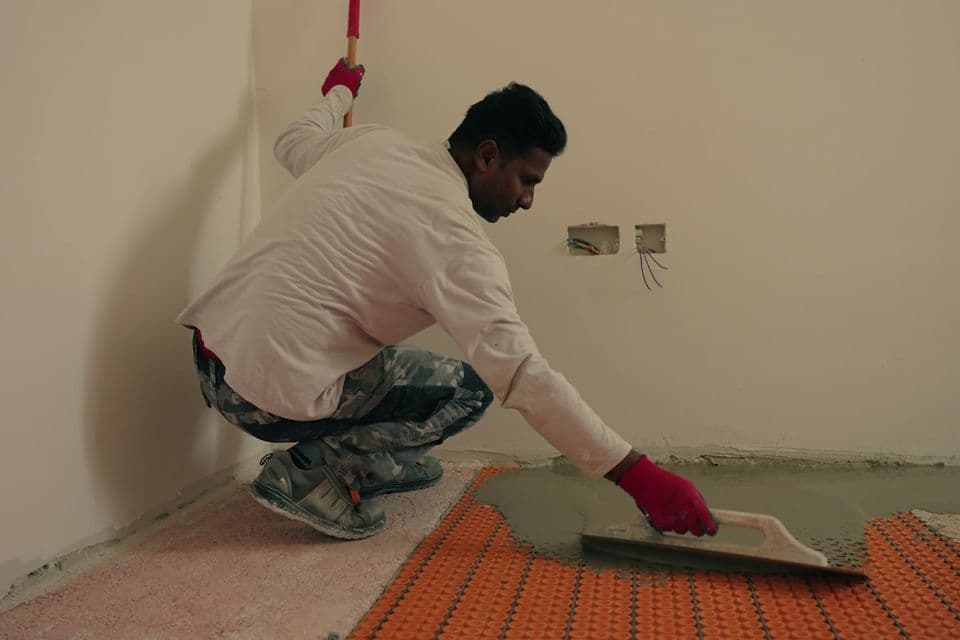
Large-Format Tiles in Malta: What It Takes to Lay Them Properly
Large-format tiles look stunning but are unforgiving. Why substrate flatness, the right adhesive and good screed decide the result.
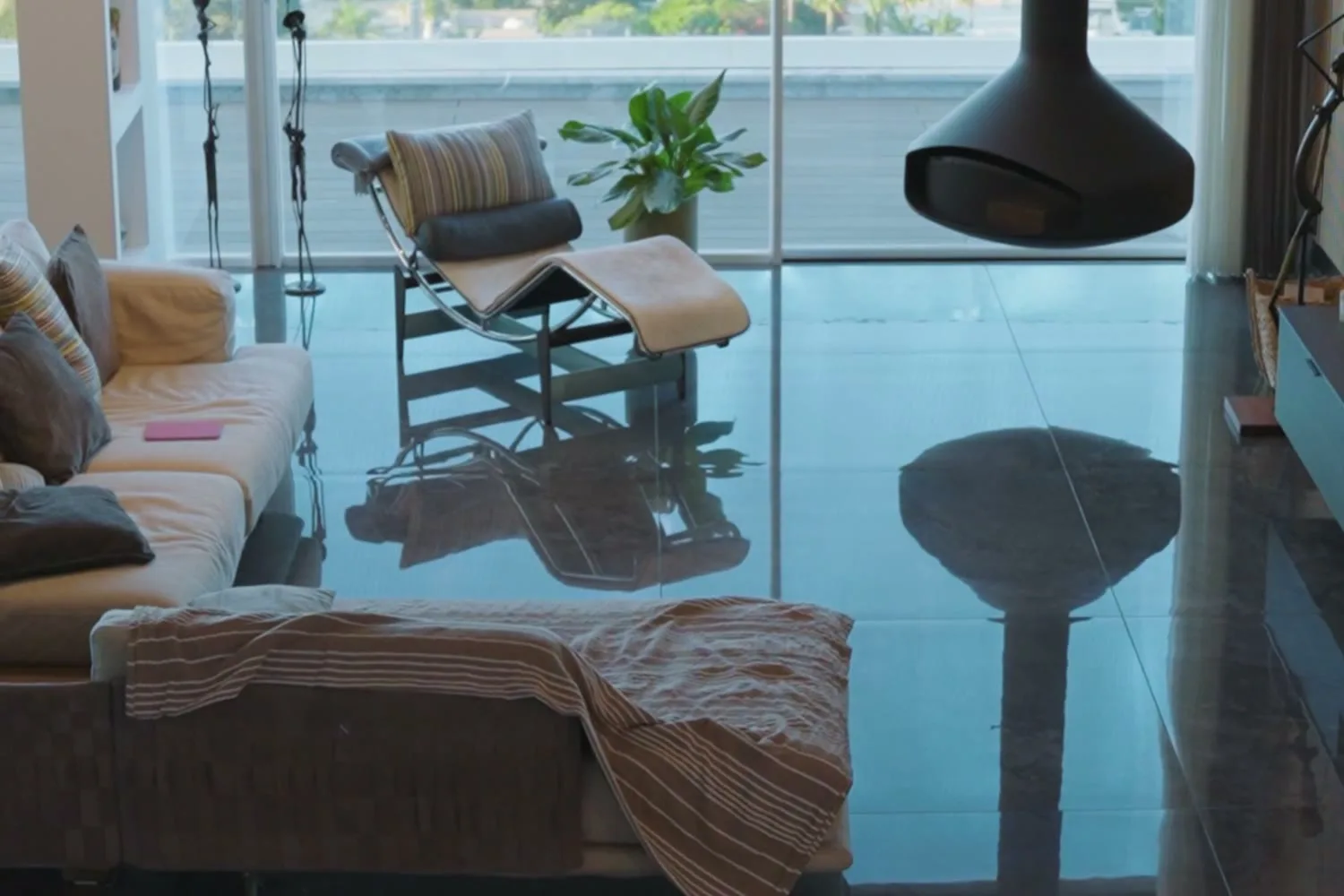
Large-format porcelain tiles have transformed interiors in Malta. Fewer grout lines, a calmer look and the sense of a bigger space make them a favourite for open-plan apartments, villas and commercial floors. But the bigger the tile, the less forgiving it is. Problems that would go unnoticed with a small tile become obvious, and sometimes expensive, with a large one.
This article explains what it really takes to lay large-format tiles properly, and what to ask before your floor goes down.
What counts as "large-format"?
There is no single official cut-off, but in practice tiles with at least one side of around 60 cm or more are usually treated as large-format. That includes the popular 60 × 120 cm and 120 × 120 cm sizes, long plank-style tiles and very large slabs. As size increases, so do the demands on the substrate, the adhesive and the installer.
Why large tiles are harder to lay
They show every dip and hump
A small tile can follow minor undulations in a floor. A large, rigid tile cannot. If the floor beneath is not flat, the tile will either rock, sit on high spots with voids beneath, or end up with edges higher than its neighbour.
Most large tiles have a slight bow
Large porcelain tiles are not always perfectly flat out of the box. A small amount of bow within manufacturing tolerances is normal. The installer must account for this, which is one reason offset patterns are handled with care.
Weight and handling
Big tiles are heavy and can crack if lifted or carried incorrectly. Very large slabs need suction lifters, more than one person and careful planning of access. In Maltese apartment blocks with narrow stairwells or small lifts, simply getting the tiles to the room can be a challenge worth considering early.
Substrate flatness: the foundation of everything
Most failures with large-format tiles start with the floor underneath.
Flat is not the same as level
Level means horizontal. Flat means free from bumps and dips over a short distance. Large tiles need a flat surface above all. A floor can be level overall yet still have dips that ruin a large-format installation. Flatness is checked with a long straightedge across the floor in different directions.
Screed quality matters
The screed must be:
- Flat within tight tolerances suited to the tile size
- Sound – no hollow, crumbling or poorly compacted areas
- Fully cured and dry before tiling; laying too early can trap moisture and cause problems later
- Free of dust, laitance and contaminants that weaken the bond
A well-laid concrete screed is the starting point. Where extra flatness is needed, a self-levelling screed can provide a very flat surface ready for large tiles.
Don't rely on thick adhesive to fix a bad floor
It is tempting to "make up" levels with extra adhesive. Tile adhesives are designed to work within a certain bed thickness. Building them up excessively can lead to shrinkage, voids and weak bonds. The right fix is to correct the substrate first.
Choosing the right adhesive
Large-format tiles generally need a high-performance, deformable cementitious adhesive suitable for porcelain and for the size and location of the tile. Things to consider:
- Deformability: Large tiles and Malta's temperature swings mean movement; a flexible adhesive helps absorb stress.
- Heated floors: With underfloor heating, the adhesive must be suitable for heated substrates.
- Exterior use: Terraces and balconies need exterior-grade products and particular care with coverage.
- Working time: In hot summer conditions adhesive skins over quickly. Batches should be mixed in manageable amounts and tiles laid promptly.
Always follow the adhesive manufacturer's instructions for the specific tile.
Full coverage: no hollow spots
With large tiles, the aim is full contact between tile and adhesive, with no voids. Hollow spots lead to cracked tiles under point loads (furniture legs, dropped objects) and, outdoors, give water somewhere to collect.
Good practice usually includes:
- Using a suitably sized notched trowel
- Back-buttering – applying a thin coat of adhesive to the back of the tile as well as the floor
- Combing adhesive ridges in one direction so air can escape
- Pressing and moving the tile into position to collapse the ridges
- Lifting the occasional tile to check coverage
Lippage: the uneven edge problem
Lippage is when the edge of one tile sits higher than its neighbour. It catches the light, catches feet and looks poor. Some lippage is within acceptable tolerance, but large tiles under raking light from big windows (common in Maltese homes) make any unevenness obvious.
Lippage is reduced by:
- A flat substrate in the first place
- Levelling clip-and-wedge systems used during laying
- Considering the offset carefully – with long tiles, offsets of a third or less are often recommended over a 50% offset because of tile bow
- Consistent, appropriate joint widths
Joints and movement
Large tiles still need grout joints, though they can be narrow. Equally important are movement joints:
- Around the perimeter of the room, hidden under skirting
- At thresholds and changes of substrate
- Across large areas at regular intervals
- Over existing structural joints in the slab
Leaving these out is a common cause of tiles "tenting" or cracking, especially in sunny rooms and on terraces.
Planning the layout
A good installer plans before laying:
- Setting out to avoid thin slivers at walls and doorways
- Aligning with key features (kitchen island, doorways, windows)
- Planning cuts around columns and services
- Checking tile batches for consistent shade
Frequently asked questions
Can large-format tiles be laid on an existing tiled floor?
Sometimes, if the existing tiles are sound, well bonded and flat enough. Often the floor needs levelling first. An inspection is essential.
How long should new screed cure before tiling?
It depends on the screed type, thickness and conditions. Malta's humidity in winter can slow drying. Your contractor should confirm it is ready rather than rushing.
Are large tiles suitable for small rooms?
Yes. Fewer joints can make small rooms look bigger, but more cuts are needed, so planning matters.
Why do my large tiles sound hollow?
Usually because of incomplete adhesive coverage or a poor substrate. It is worth investigating, as hollow tiles are more likely to crack.
Get it right from the screed up
Shaw Contractors lays screed, self-levelling and large-format tiles as one coordinated job for homes and businesses across Malta, so the base is right before the first tile goes down. Call +356 9949 8507 or contact us for a free site visit and quote.