Choosing Tiles for Malta's Climate: Indoor, Outdoor and Roof Terraces
Heat, humidity, salt air and winter rain: how to choose tiles in Malta that suit each space, from living rooms to exposed roof terraces.
Choosing tiles in Malta is not only about colour and style. Our climate puts surfaces through a lot: long, hot, humid summers, intense sun on flat roofs, salty air near the coast, and heavy downpours during the rainy season from October to February. A tile that looks perfect in a showroom can become slippery, faded or loose if it is used in the wrong place or laid on a poor base.
Here is a practical guide to choosing tiles for each part of a Maltese home or business.
Understand the main tile types
Porcelain
Porcelain is dense, hard and has very low water absorption. It handles heat, frost-free outdoor use and heavy traffic well, and is the most versatile choice for Malta. It comes in many finishes, from polished to textured outdoor grades, and in sizes from small to large-format slabs.
Ceramic
Ceramic tiles are softer and more porous than porcelain. They are fine for interior walls and lightly used floors, and often more affordable, but are generally less suitable for exposed outdoor areas.
Natural stone
Maltese limestone, marble and other stones are beautiful but porous to varying degrees. They need sealing, careful cleaning and periodic maintenance. Limestone in particular can stain and wear, and is sensitive to acidic cleaners.
Cement and patterned tiles
Traditional patterned cement tiles are part of Malta's architectural character and are popular in restorations. They are porous and need sealing. Porcelain lookalikes are a lower-maintenance alternative.
Indoor floors
Living areas and bedrooms
Indoors, you have the most freedom. Points to consider:
- Cool underfoot: Tiles are a natural choice for Malta's summers. If winters feel cold, tiles pair very well with underfloor heating.
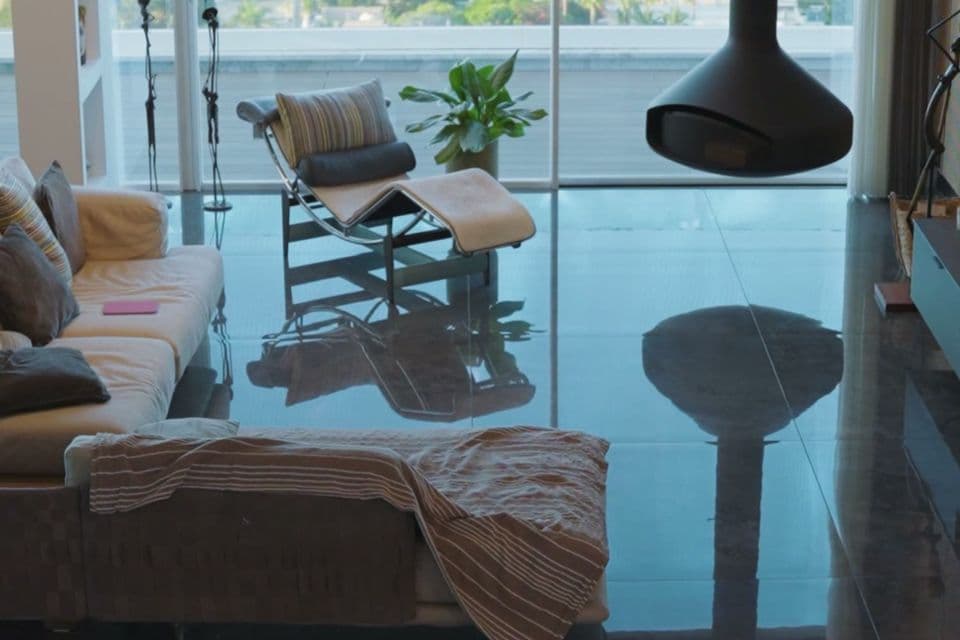
- Finish: Polished tiles look striking but show dust, footprints and scratches. Matt or satin finishes are more forgiving.
- Colour: Mid-tones hide dust, sand and water marks better than very light or very dark tiles.
- Size: Large-format tiles reduce grout lines and make rooms feel bigger, but they demand a very flat substrate (more on that below).
Kitchens
Choose a porcelain tile with good stain resistance and a finish that is not slippery when wet. Darker or speckled grout hides stains better than bright white.
Bathrooms
Floor tiles should have adequate slip resistance for wet bare feet. Smaller tiles in a shower floor allow better falls to the drain. Wall tiles can be lighter ceramic or porcelain. Always use a proper waterproofing membrane under tiles in wet areas.
Balconies and outdoor areas
Slip resistance first
Outdoor tiles get wet from rain, washing and sea spray. Choose tiles specifically rated for outdoor use with a textured or anti-slip finish. A polished interior tile on a balcony is a safety risk.
Heat and colour
Dark tiles in direct Maltese sun can become very hot underfoot. Lighter colours stay cooler and also reduce heat absorbed into the building. They tend to show less fading too.
Salt air
Near the coast, salt deposits can build up on surfaces and attack porous materials and some grouts. Dense porcelain tiles with good quality grout, plus regular rinsing with fresh water, hold up best.
Falls and drainage
Water must drain away. Balconies and terraces need a correct fall towards drains or outlets, built into the screed below the tiles. Ponding water leads to staining, slippery surfaces and leaks.
Roof terraces
Flat roofs are a defining feature of Maltese buildings, and many are now used as terraces. They are also the most demanding area to tile.
Waterproofing comes before tiles
Tiles and grout are not a waterproof layer. A roof terrace needs a proper liquid membrane and insulation system, laid on a screed with correct falls, before any tiles go down. Leaking roofs are one of the most common complaints in Malta, especially after the first heavy rains of autumn.
Thermal movement
Roof surfaces heat up and cool down dramatically between day and night, and between summer and winter. This causes expansion and contraction. To cope:
- Use flexible, exterior-grade adhesives suitable for the tile and conditions.
- Include movement joints around the perimeter and at regular intervals across the field.
- Avoid oversized dark tiles in full sun unless the system is designed for it.
- Aim for full adhesive coverage so there are no voids where water can sit.
Load and access
Check with your periti before adding heavy finishes, planters or features to a roof. For the roof itself, keep access to drains and outlets clear for maintenance.
Grout and adhesives matter as much as the tile
The tile is only one part of the system. For durable results:
- Use adhesives classified for the tile type, size and location (interior, exterior, heated floors).
- Choose grouts with good stain and water resistance for kitchens, bathrooms and outdoor areas.
- Respect movement joints; do not grout over them.
- Allow adhesive and grout to cure, avoiding laying in extreme midday heat outdoors or during heavy rain.
Don't forget the base
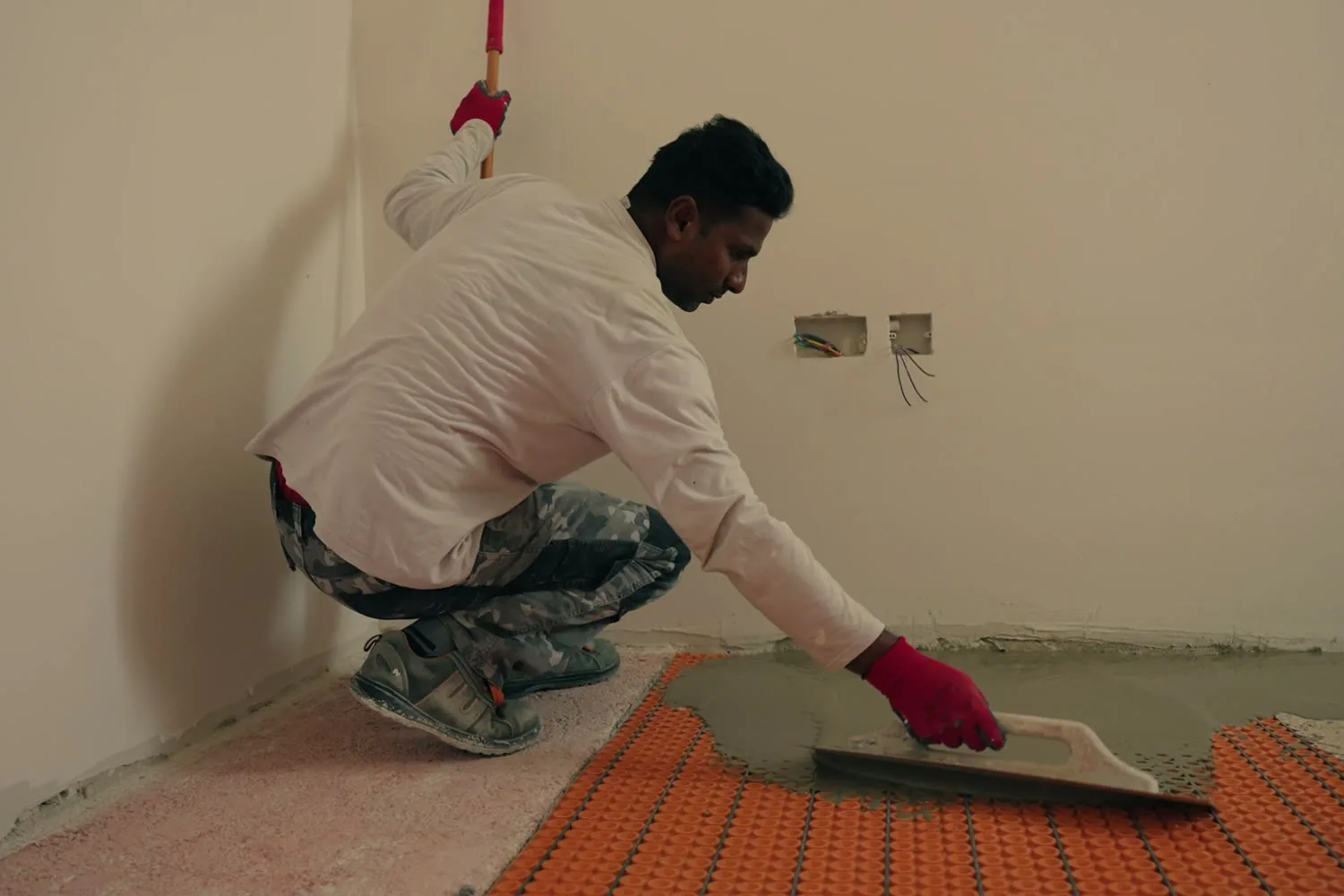
A good tile on a bad base will fail. Floors should be laid on a sound, flat concrete screed with the correct falls in wet and outdoor areas. Hollow-sounding tiles, cracks and lippage usually trace back to the substrate or poor adhesive coverage, not the tile itself.
Frequently asked questions
Can I use the same tile indoors and outdoors?
Many porcelain ranges come in matching indoor and outdoor finishes, so you can keep a continuous look while using a textured, slip-resistant version outside.
Are dark tiles a bad idea on a roof terrace?
Not always, but they get hotter in the sun and move more thermally. Lighter tiles are usually more comfortable and forgiving.
Can I tile directly over my existing roof?
Only if the existing waterproofing and screed are sound and the falls are correct. In most cases, the roof should be assessed and the membrane renewed first.
How do I clean outdoor tiles near the sea?
Rinse regularly with fresh water and use a pH-neutral cleaner to remove salt and dirt.
Need advice on your tiles?
Shaw Contractors handles tiling for homes and businesses in Malta, together with the screed, waterproofing and insulation underneath. Call +356 9949 8507 or contact us to book a free site visit and quote.