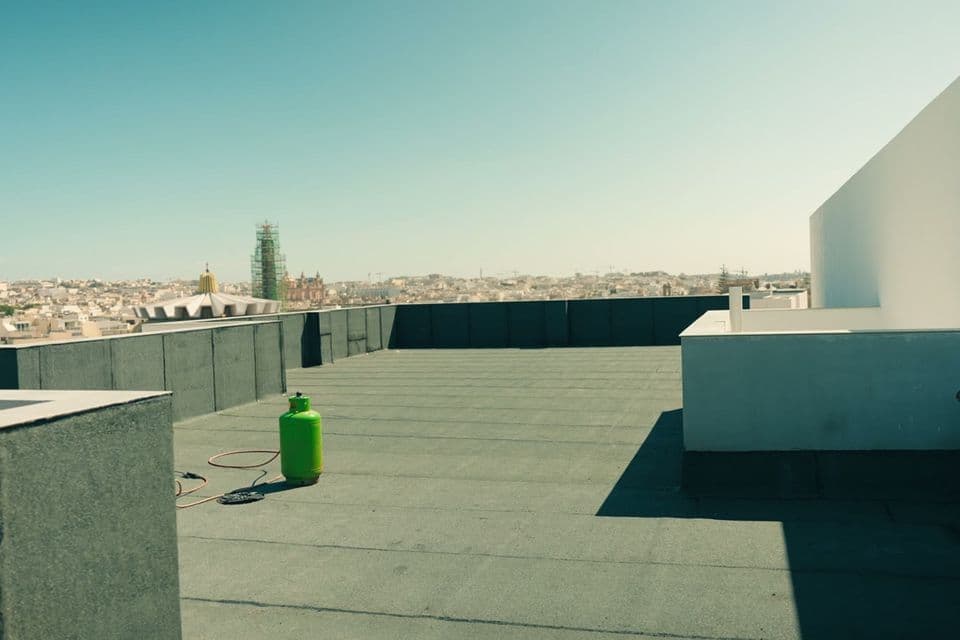
Waterproofing Your Roof Before Winter in Malta: Liquid Membrane Explained
Why Maltese flat roofs leak, how liquid membrane waterproofing works, and what to check before the rainy season arrives.
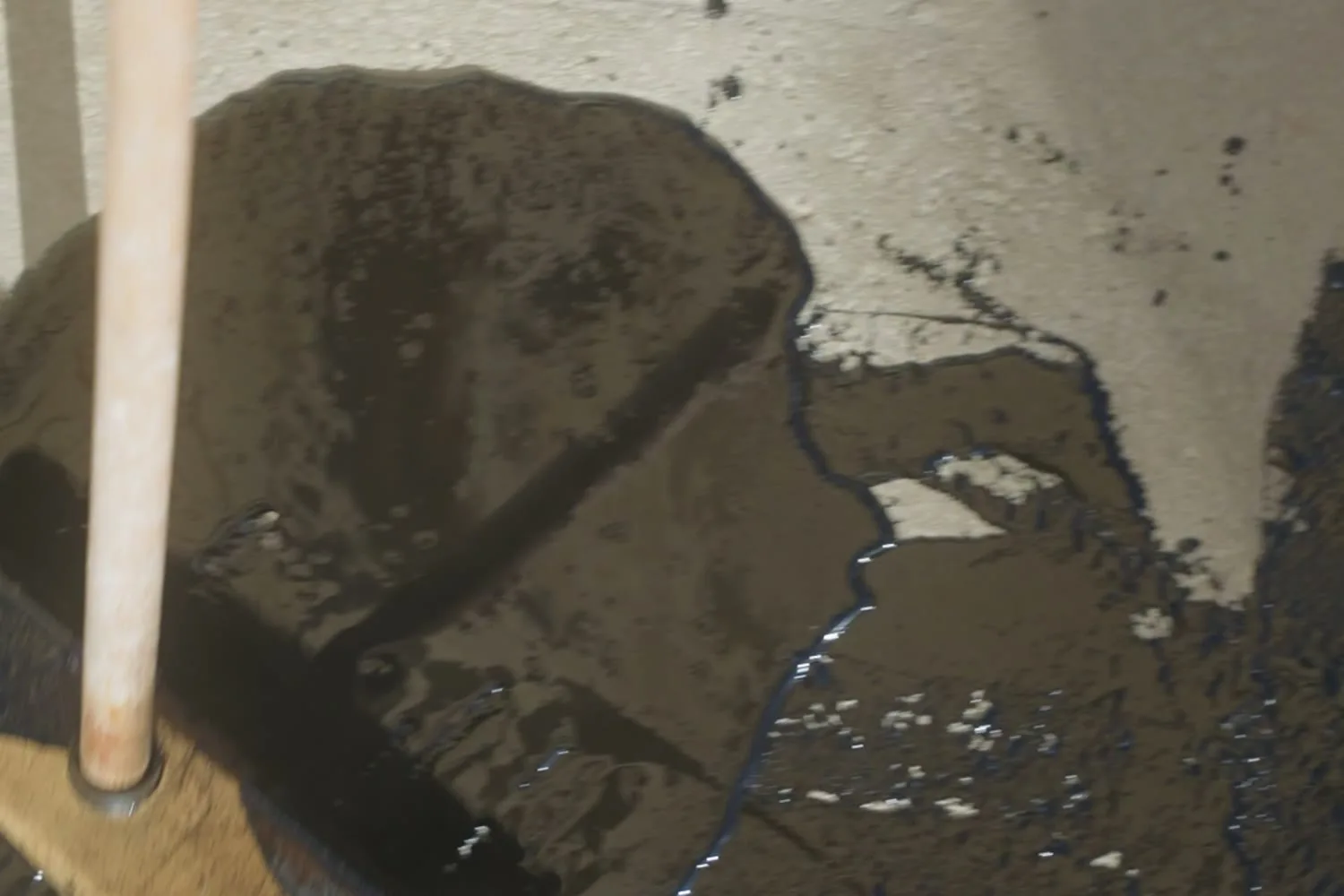
Roof waterproofing in Malta is one of those jobs people tend to think about only after the first heavy downpour, when a stain appears on the ceiling or water drips into the hallway. By then, the damage has usually started. Late summer and early autumn, before the rainy season gets going in October, is the ideal time to get your roof checked and properly protected.
This guide explains why Maltese roofs are vulnerable, how liquid membrane waterproofing works, and what you can do now to avoid problems later.
Why Maltese roofs leak
Almost every building in Malta has a flat concrete roof. Flat roofs are practical, used for water tanks, solar panels, washing lines and sometimes as terraces, but they are also hard on waterproofing.
Several local factors work against them:
- Intense summer heat and UV. Roofs bake for months, which makes many materials brittle and causes them to crack.
- Thermal movement. The roof slab expands in the heat and contracts at night and in winter. Over time, this opens hairline cracks.
- Sudden heavy rain. Malta's rain often comes in short, intense bursts between October and February, so water pools quickly if drainage is poor.
- Foot traffic and equipment. Solar panel frames, tanks and people walking on the roof all wear down the surface.
- Ageing traditional finishes. Many older roofs still rely on layers that have long since cracked or lost adhesion.
Once water gets into the slab, it can travel some distance before showing up inside, so the leak on your ceiling is not always directly below the problem on the roof.
What is liquid membrane waterproofing?
A liquid membrane is a waterproof coating applied to the roof as a liquid, typically by roller or brush, which then cures into a continuous, flexible, rubber-like skin.
The key advantages are:
- Seamless coverage. There are no joints or overlaps for water to find its way through.
- Flexibility. A good membrane stretches and moves with the slab as it expands and contracts.
- Follows any shape. It wraps easily around pipes, tank supports, parapets, drains and corners, which are the usual weak points.
- UV resistance. Products suited to exposed roofs are formulated to cope with strong sun.
- Reflective options. Lighter, reflective finishes can reduce how much heat the roof absorbs in summer.
How it is applied
A proper liquid membrane job is mostly about preparation. The typical steps are:
- Inspection of the roof, drains, parapets and any existing coating
- Cleaning to remove dirt, loose material, moss and old flaking layers
- Repairs to cracks, hollow areas and damaged edges
- Checking falls and drains so water runs off rather than ponding
- Primer to help the membrane bond to the surface
- Reinforcement with fabric or mesh at cracks, joints, corners and upstands
- Membrane coats, built up to the thickness recommended by the manufacturer
- Curing before the roof is used again
Skipping preparation is the most common reason a membrane fails early. Applying a coating over dust, damp or a loose old layer will not last, however good the product.
Signs your roof needs attention
Walk up onto your roof (safely) and look for:
- Cracks in the surface, especially near parapet walls and around tank or solar panel supports
- Blistering, bubbling or peeling of the existing coating
- Areas where water sits for a long time after rain
- Blocked or damaged drain outlets
- Crumbling edges or loose screed
Inside, warning signs include:
- Brown or yellow stains on top-floor ceilings
- Peeling paint or bubbling plaster near the ceiling
- A musty smell or mould in corners, especially in winter
- Rust stains, which can indicate water reaching steel reinforcement
If you see staining on ceilings, it is worth reading our guide on painting in a humid climate before redecorating, as painting over a leak only hides the problem. Our painting and plastering team can make good damaged ceilings once the roof is sound.
Waterproofing and insulation together
Waterproofing keeps water out; insulation keeps heat out in summer and in during winter. On a flat roof, it often makes sense to consider both at the same time, since the roof is being prepared anyway. Read more about our liquid membrane and insulation service.
What affects the cost?
Roof waterproofing costs can vary widely. Rather than quote a figure that may not match your roof, here are the main cost drivers:
- Roof area and how easy it is to access
- Condition of the existing surface, including how much old coating must be removed
- Amount of repair work on cracks, edges and screed
- Obstructions such as tanks, solar panels and satellite dishes that need working around or temporarily moving
- Whether falls need correcting to stop ponding
- Product system and number of coats
- Whether insulation is being added at the same time
As a very broad indication, simple recoating of a sound roof is typically much cheaper per square metre than a full strip, repair and re-waterproof. The real figure depends on the site, so the best approach is a free inspection and quote.
Shared roofs and permissions
In apartment blocks, the roof is often a common area. Agree the work with the other owners or the condominium administrator before starting. For straightforward waterproofing, permits are not usually the main concern, but if you plan to change levels, add structures or alter the roof significantly, check with the Planning Authority or your periti first.
Frequently asked questions
When is the best time to waterproof a roof in Malta?
Late spring to early autumn is ideal, as the roof needs to be dry for application and curing. Booking in September gives a margin before the heavier rain usually arrives.
Can a liquid membrane be applied over the existing coating?
Sometimes. If the existing layer is well bonded and compatible, it may be cleaned and coated over. If it is blistering, cracked or loose, it needs removing first.
Will the membrane get damaged if I walk on the roof?
Many membranes are designed to take normal maintenance foot traffic. If the roof is used as a terrace, a finish suitable for regular use, or tiles over the waterproofing, may be the better option.
How do I know where my leak is coming from?
Not always easily, as water can travel through the slab. A proper inspection of the roof, drains and parapets is the starting point.
Get your roof ready for winter
Shaw Contractors carries out roof waterproofing and insulation on residential and commercial properties across Malta. Don't wait for the first storm. Call +356 9949 8507 or contact us to arrange a free site visit and quote.