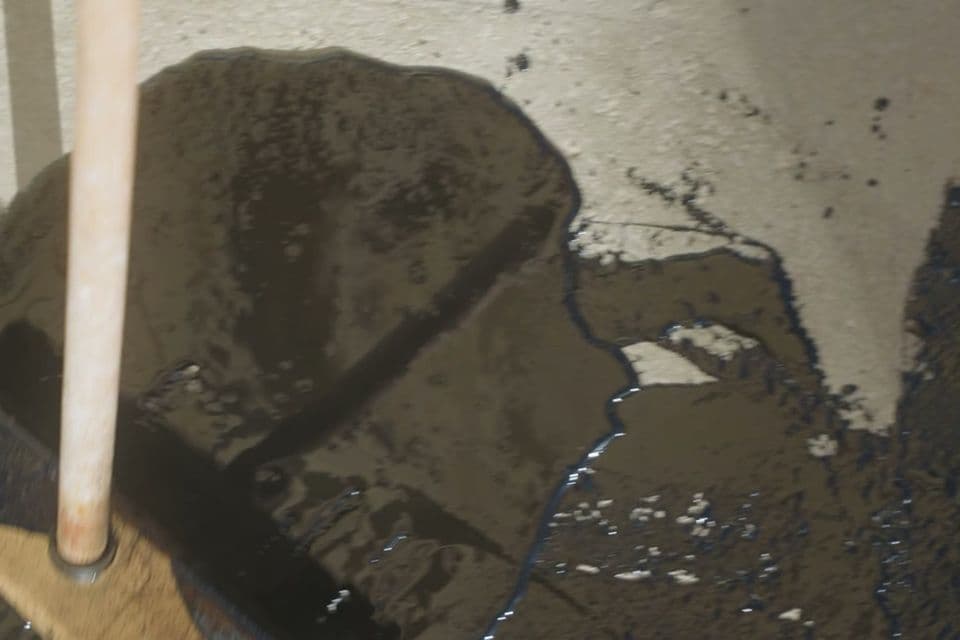
Roof Insulation in Malta: Beating the Summer Heat and Cutting Energy Bills
How roof insulation keeps Maltese homes cooler in summer, warmer in winter, and helps reduce what you spend on air conditioning.
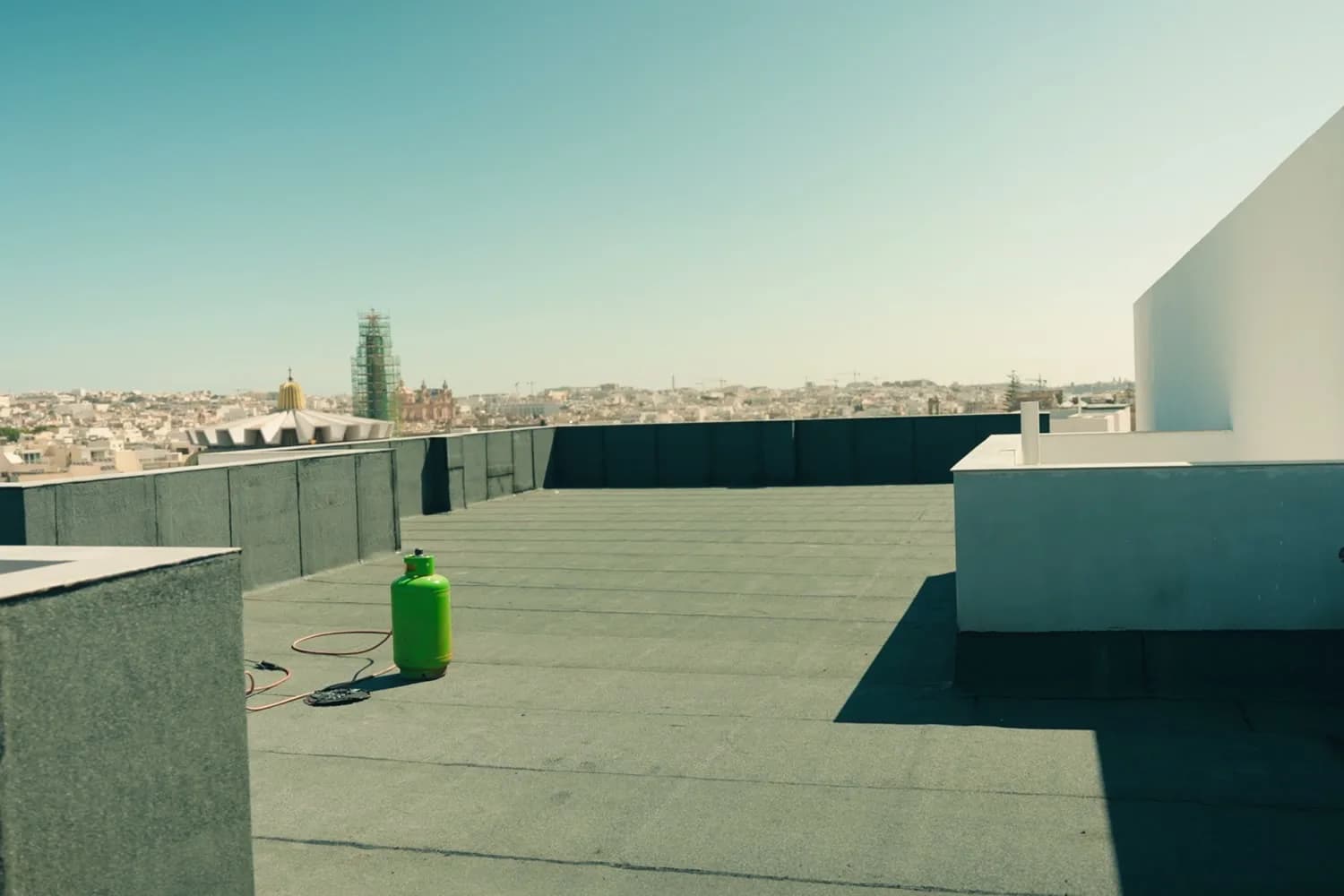
If you live in a top-floor apartment, penthouse or house in Malta, you already know the feeling: by mid-afternoon in July, the ceiling is radiating heat like a storage heater, and the air conditioning runs late into the night just to keep the bedroom bearable. Roof insulation in Malta is one of the most effective ways to tackle this, and it helps in winter too.
This article explains why flat roofs make homes so hot, how insulation works, the main options available, and what to consider before you go ahead.
Why top floors in Malta get so hot
Most Maltese buildings have a flat concrete roof slab. Concrete has high thermal mass: it absorbs heat slowly during the day and releases it slowly afterwards. In summer, that means:
- The roof absorbs intense sun for many hours
- Heat travels through the slab into the rooms below
- The slab keeps releasing that heat well into the evening and night, long after the sun has gone
Without insulation, there is very little stopping this process. The result is high indoor temperatures, air conditioners working hard, and higher electricity bills.
In winter the process works in reverse. Heat from inside escapes upwards through the roof, and the cold slab can lead to condensation on ceilings, which in Malta's humid climate often means mould in corners and around light fittings.
How roof insulation helps
Insulation slows the flow of heat through the roof. In practical terms:
- Summer: less heat reaches the rooms below, so indoor temperatures stay lower and air conditioning has less work to do.
- Winter: more heat stays inside, and the ceiling surface stays warmer, reducing the risk of condensation and mould.
- Comfort: temperatures are more stable, without the evening "heat release" from the ceiling.
- Roof protection: some insulation systems reduce the temperature swings the slab experiences, which can help limit thermal cracking.
How much you save on energy bills depends on many things, including your current roof, how you use air conditioning, orientation, windows and shading. We won't promise a percentage, but on a sun-exposed flat roof the difference in comfort is usually very noticeable.
Main roof insulation options
Insulation boards above the slab
Rigid insulation boards are laid on the roof, then protected and waterproofed. This places the insulation on the outside of the building, which is generally the most effective position because it stops heat before it reaches the concrete.
Things to consider:
- The roof level increases, so parapet heights, door thresholds onto roof terraces and drain positions need checking
- The boards must be protected from UV and foot traffic, typically with a screed and/or waterproof finish
- Falls to drains must be maintained so water does not pond
Reflective and insulating coatings
Light-coloured, reflective roof coatings reflect a large part of the sun's energy rather than absorbing it. Some liquid membrane systems combine waterproofing with a reflective finish.
These are:
- Quicker and less disruptive to apply
- Thin, so they do not change roof levels much
- Useful as an upgrade where adding boards is not practical
They are not a full substitute for proper insulation thickness, but they can make a meaningful difference to surface temperatures.
Internal insulation
Insulation can also be added on the underside of the roof slab, inside the home, often combined with a gypsum soffit. This can be a good option where the roof belongs to the whole block and cannot easily be altered, or during an interior renovation.
The trade-offs are:
- Some loss of ceiling height
- The slab itself still heats up, so it is generally less effective than external insulation
- Care is needed with vapour control to avoid trapping moisture
Insulation and waterproofing go together
On a flat roof, insulation and waterproofing should be planned as one system. There is little point insulating a roof that leaks, and wet insulation performs poorly. A common approach is to insulate, protect, and then finish with a liquid membrane that seals the whole surface, including upstands, parapets and pipe penetrations.
The best time to do this is when the roof is being waterproofed anyway, or during a renovation, so that the preparation work is only done once.
What affects the cost?
The cost of roof insulation can vary widely, so we prefer to explain what drives it rather than give a number that may not apply to your roof:
- Roof area and access (stairs, hoisting materials, working around neighbours)
- Type and thickness of insulation
- Condition of the existing roof, including old coatings to remove and repairs needed
- Obstructions like water tanks, solar panels and condenser units
- Changes to levels, drains or parapets
- Waterproofing system used over the top
As a general indication, a reflective coating on a sound roof is typically the lower-cost option, while a full insulated build-up with screed and membrane is a bigger investment. The real figure depends on the site, so ask for a free quote after an inspection.
Planning and shared roofs
For apartments, the roof is often shared or belongs to a specific owner. Agree any work with the other owners or the condominium administrator. If insulation raises the roof level or changes parapets or structures on the roof, check with the Planning Authority or your periti before starting.
Frequently asked questions
Will roof insulation really make my home cooler?
On top-floor properties with an exposed flat roof, insulation usually makes a clear difference to comfort, especially in the evening when an uninsulated slab keeps releasing heat. Results depend on the property, windows and shading.
Can I insulate the roof without raising the level?
A reflective coating or internal insulation under a gypsum ceiling avoids raising the roof. External boards are usually more effective but do add height.
Does insulation help in winter too?
Yes. It reduces heat loss upwards and keeps the ceiling warmer, which helps with condensation and mould on top-floor ceilings.
Should I install solar panels before or after insulating?
Ideally, plan both together. Insulating and waterproofing first, then fixing panels in a way that does not puncture the membrane, avoids having to remove panels later.
Make your top floor comfortable
Shaw Contractors provides roof insulation and liquid membrane waterproofing for homes and commercial properties across Malta. To find out which option suits your roof, call +356 9949 8507 or contact us to book a free site visit and quote.