How to Choose a Building Contractor in Malta: Questions to Ask Before You Sign
The questions to ask a building contractor in Malta before you sign, so you can compare quotes fairly and avoid costly surprises.
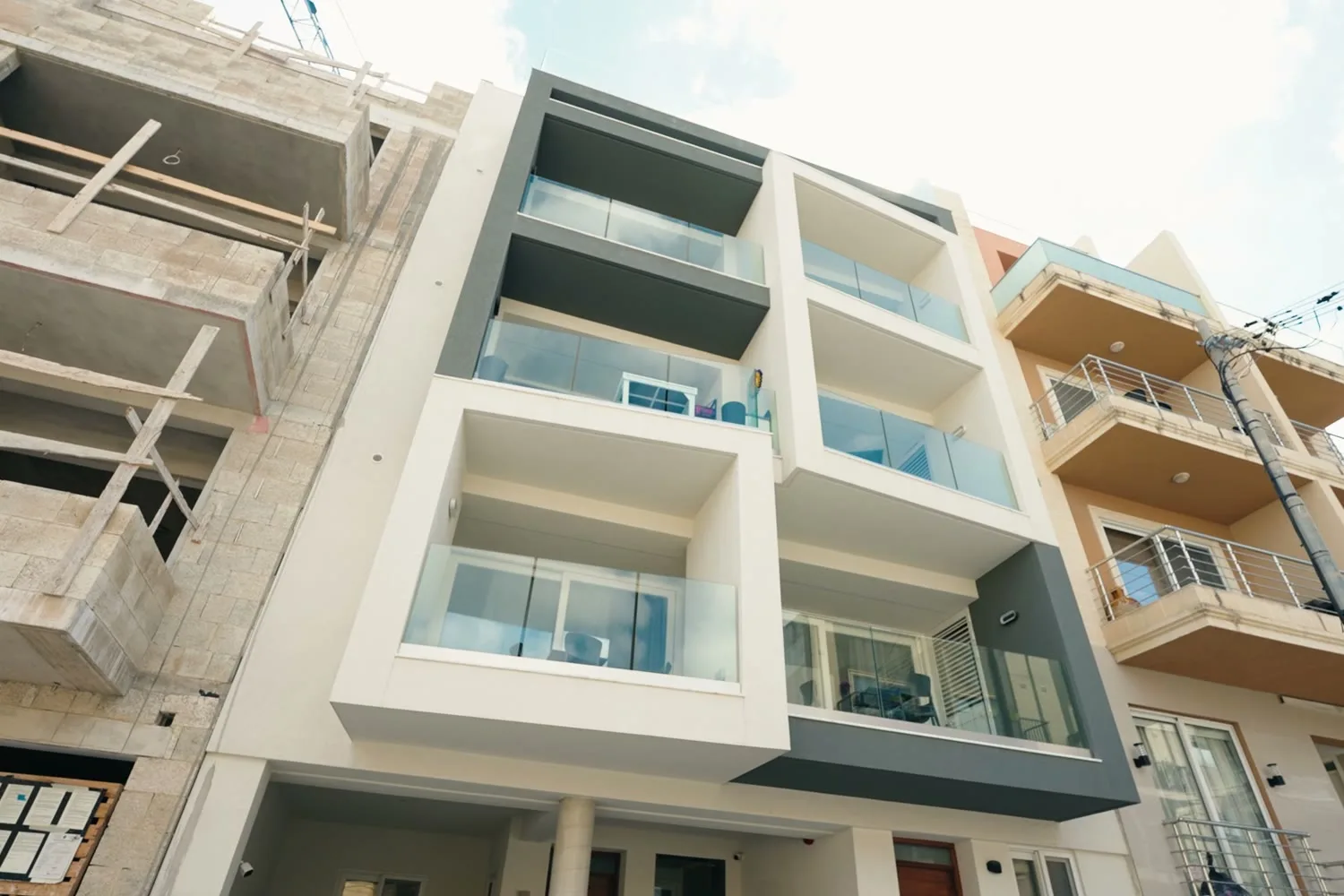
Choosing the right building contractor in Malta has a bigger effect on your renovation than almost any material choice. The same tiles laid on a badly prepared screed will fail; the same budget managed poorly will run out early. Yet many people sign with the first contractor who can start soon, or simply the cheapest quote.
This guide sets out the questions worth asking before you sign anything, how to compare quotes properly, and the warning signs to look out for.
Start with your own brief
Contractors can only quote accurately for what they are told. Before inviting quotes, write down:
- What you want done, room by room
- Any drawings or layouts from your perit or designer
- Finishes you have chosen, or a rough standard (basic, mid-range, high-end)
- Your target timeline and any fixed dates
- Practical constraints: apartment block rules, parking, lift access
Giving every contractor the same brief is the only way to compare like with like.
Questions to ask about experience and scope
Have you done this type of work before?
A contractor who mainly builds new blocks may not be the right fit for restoring an old townhouse with limestone walls, and vice versa. Ask about similar projects and, where possible, ask to see completed work.
Which trades do you carry out yourselves, and which do you subcontract?
Most contractors use some subcontractors. That is normal. What matters is that you know who is responsible for coordinating them and for the quality of their work.
Who will be my point of contact?
You want one named person who answers your calls, tracks progress and makes decisions on site. On larger projects this is effectively a project management role.
Questions to ask about the quote
Is the quote itemised?
A single lump sum tells you very little. An itemised quote shows quantities and rates for each element – partitions, plastering, screed, waterproofing, tiling, painting and so on. That makes it much easier to spot omissions and compare contractors.
What is included and what is excluded?
Common grey areas include:
- Removal of debris and skip hire
- Supply of materials versus labour only
- Tile adhesive, grout, trims and sealants
- Waterproofing in bathrooms and terraces
- Protection of existing finishes and common areas
- Final cleaning
How are changes and extras priced?
Changes happen on almost every project. Agree up front how variations will be quoted and approved – ideally in writing before the work is done.
What is the payment schedule?
Payments are often staged against progress. Be cautious about paying a large proportion up front before work has started, and make sure each payment relates to a clear stage of work.
Questions to ask about method and quality
These reveal how much care a contractor takes with the parts you will never see.
How will you prepare the floors?
Ask what type of screed they will use, how thick it will be, and how long they will allow it to dry before laying tiles or other finishes. Our guide to concrete screed explains why this matters.
How will you waterproof wet areas, terraces and roofs?
In Malta, flat roofs and terraces face heavy rain from October to February and strong sun all summer. Showers and balconies need a proper membrane under the tiles. A vague answer here is a warning sign.
How will you deal with damp in older buildings?
Rising damp and salt damage are common in older limestone properties, especially near the coast. Painting over the problem does not fix it.
How do you handle snagging?
Ask how defects are recorded and fixed before final payment.
Questions to ask about timing and practicalities
- When can you start, and how long do you expect the work to take?
- What could delay the programme?
- What working hours will you keep?
- How will you protect neighbours and common areas in an apartment block?
- Who handles skip permits and deliveries?
A contractor who can explain likely delays honestly is often more reliable than one who promises an unrealistically short programme.
How to compare quotes fairly
- Line them up item by item. Put each quote into the same list of work items.
- Look for gaps. A much cheaper quote often leaves something out, such as waterproofing or debris removal.
- Check specifications. "Screed" or "waterproofing" can mean very different products and thicknesses.
- Ask questions. If something is unclear, ask the contractor to clarify in writing.
- Weigh communication. How quickly and clearly did they respond during quoting? That is usually how they will respond during the project.
Warning signs
- Reluctance to put the scope and price in writing
- Pressure to decide immediately or pay a large deposit
- No site visit before quoting a significant job
- Dismissing drying times or waterproofing as unnecessary
- Unclear answers about who is responsible for subcontractors
Get it in writing
Whatever you agree, put it in a written agreement: scope, price, payment stages, approximate programme, how changes are handled, and what happens at handover. If structural work or permits are involved, your perit should be part of the process.
Frequently asked questions
How many quotes should I get?
Getting a few is sensible for a substantial project. More than that can make comparison harder without adding much value.
Is the cheapest quote always a bad idea?
Not always, but check carefully that it covers the same scope and specification as the others.
Should my contractor also supply materials?
It can simplify things and make one party responsible for compatibility. Some clients prefer to choose and buy finishes themselves; just agree clearly who supplies what.
Do I need a perit as well as a contractor?
For structural changes, layout changes affecting the structure, or works needing permits, generally yes. Check with a perit early.
Ask us the questions
We are happy to answer every question on this list. Book a free site visit and quote by calling +356 9949 8507 or via our contact page.