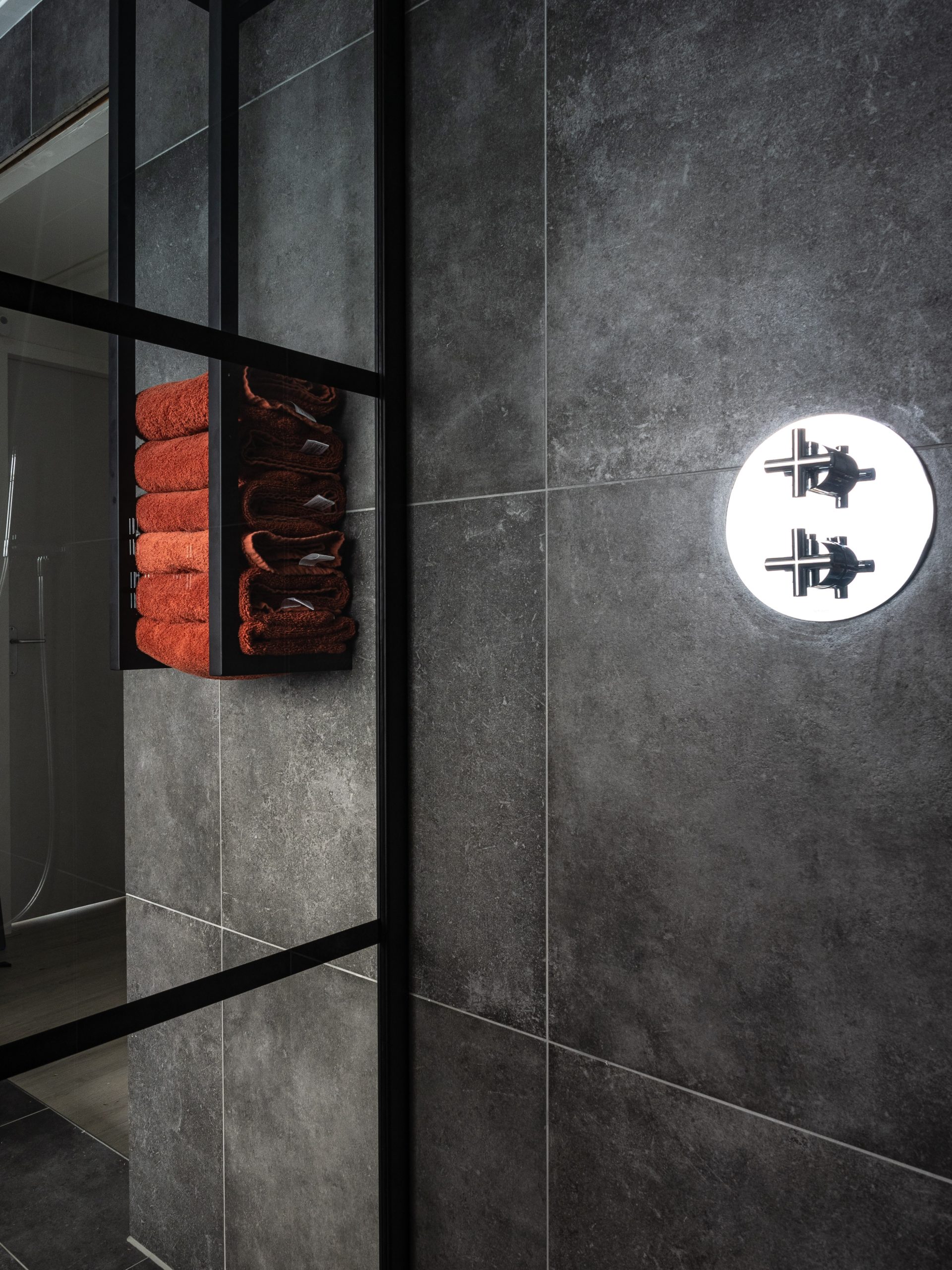
Bathrooms are one of the most popular places for microcement in Malta — and for good reason. A seamless, grout-free finish that flows from floor to wall to shower area solves a lot of the problems that come with tiled wet rooms.
Why Microcement Works Well in Bathrooms
- No grout lines: nowhere for mould, mildew or soap scum to build up
- Seamless shower-to-floor transitions: no step or trim needed between shower area and the rest of the bathroom
- Continuous surfaces: can be applied to floors, walls, shower niches, and even vanity tops for a fully unified look
- Space-enhancing: the lack of joints and breaks makes smaller bathrooms feel larger and more open
Waterproofing Comes First
Microcement itself isn’t a waterproofing membrane — in wet areas like showers, a proper waterproofing layer needs to go down first, with microcement applied and sealed on top. This is especially important around drains, shower trays and any wall penetrations. See our guide to liquid membrane waterproofing in Malta for how this layer works.
What a Microcement Bathroom Installation Involves
- Waterproofing the substrate, particularly in shower areas
- Applying a base coat to even out and strengthen the surface
- A reinforcing layer for crack resistance
- A fine finish coat in the chosen colour and texture
- A specialist wet-area sealer, reapplied periodically to maintain water resistance
Maintaining a Microcement Bathroom
- Clean with a soft cloth or mop and pH-neutral cleaning products — avoid harsh acidic or abrasive cleaners
- Reseal periodically (typically every 1-3 years depending on use) to maintain water resistance
- Wipe up standing water where possible, especially in the first weeks after installation
Why Choose Shaw Contractors
We handle waterproofing and microcement together as one coordinated bathroom job, so the two systems work properly together from day one. Read our complete guide to microcement in Malta for more.
Planning a bathroom renovation? Contact Shaw Contractors for a free consultation.